Avoiding slow play: darts pace etiquette is crucial for maintaining a respectful and enjoyable atmosphere in any darts match. Understanding and adhering to appropriate **darts etiquette** keeps the game flowing smoothly and prevents frustration among players. This article will explore the various aspects of **darts pace etiquette**, offering practical tips to ensure you’re playing at a reasonable speed and contributing to a positive experience for everyone involved.
⚠️ Still Using Pen & Paper (or a Chalkboard)?! ⚠️
Step into the future! The Dart Counter App handles all the scoring, suggests checkouts, and tracks your stats automatically. It's easier than you think!
Try the Smart Dart Counter App FREE!Ready for an upgrade? Click above!
The Importance of Avoiding Slow Play: Darts Pace Etiquette
Slow play in darts can be incredibly frustrating. Whether it’s in a casual game with friends or a competitive tournament, excessive delays can disrupt rhythm, break concentration, and ultimately sour the experience for everyone. Therefore, understanding and practicing proper **darts etiquette** related to pace is vital. It demonstrates respect for your opponent, upholds the integrity of the game, and contributes to a more enjoyable environment.
Beyond simple courtesy, consistently slow play can lead to accusations of gamesmanship, potentially resulting in warnings or even disqualification in more formal settings. By focusing on **avoiding slow play**, you not only improve your standing among fellow players but also enhance your own focus and efficiency on the oche.
Impact of Slow Play on the Darts Environment
- Disrupted Rhythm: Slow play breaks the natural rhythm of the game, making it difficult for both players to maintain concentration.
- Increased Frustration: Opponents can become increasingly frustrated, leading to tension and potentially impacting performance.
- Negative Atmosphere: A consistently slow game can create a negative atmosphere, making it less enjoyable for everyone involved.
- Strained Relationships: In casual settings, slow play can even strain relationships between friends and fellow players.
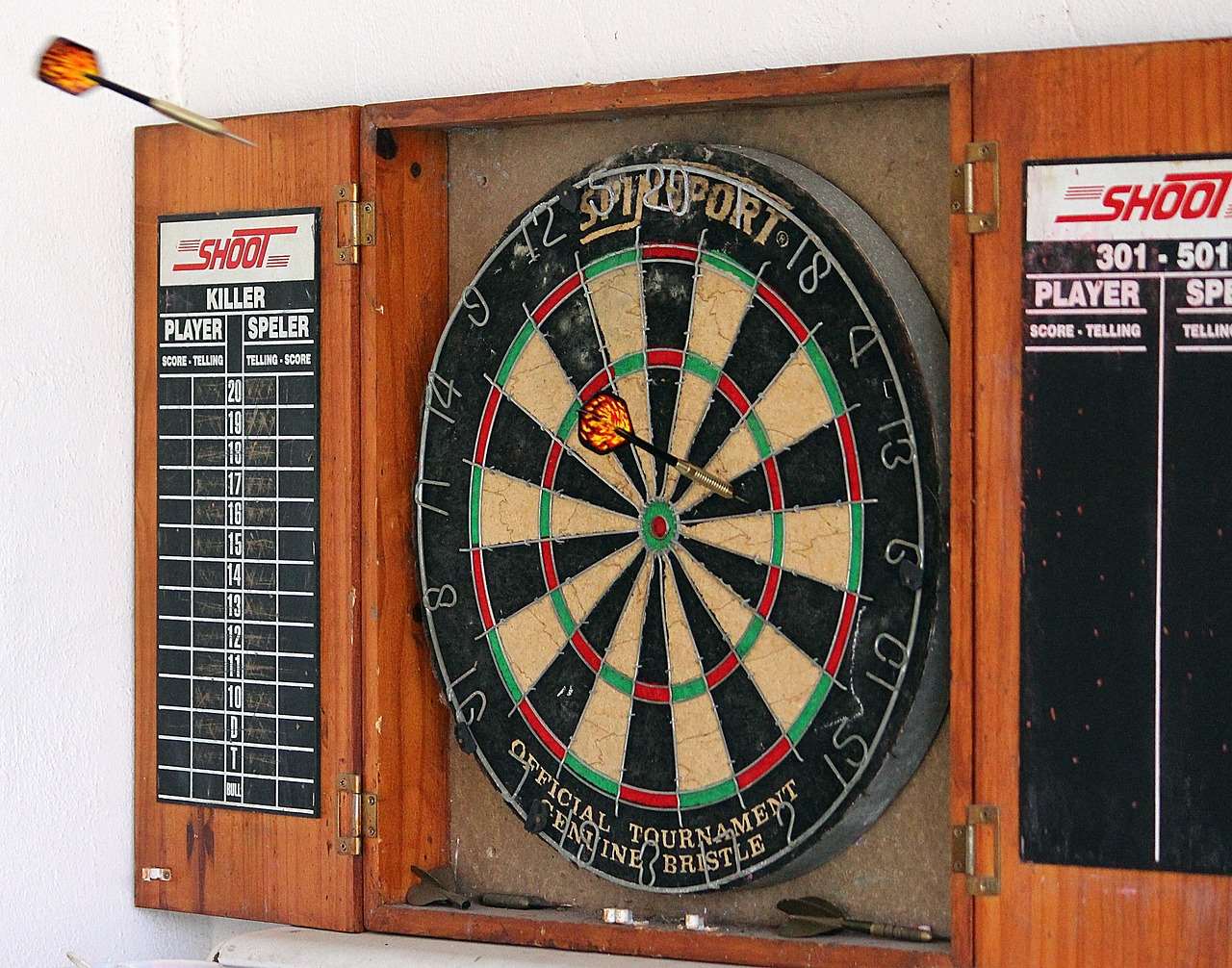
Key Aspects of Darts Pace Etiquette
Several factors contribute to maintaining a good pace in darts. These include pre-throw routines, efficient scorekeeping, minimizing distractions, and being mindful of your opponent’s time.
Pre-Throw Routine Efficiency
A pre-throw routine is essential for consistency, but it shouldn’t be excessively long. Streamline your routine to a few key elements, ensuring it doesn’t become a time-wasting exercise. Aim for consistency, not length. Avoid lengthy pauses between darts. Once you’re at the oche, focus and throw with reasonable speed. Finding a comfortable and effective pre-throw routine that doesn’t significantly slow down the game is crucial.
- Practice and Refine: Develop a consistent pre-throw routine and practice it regularly to improve efficiency.
- Eliminate Unnecessary Steps: Identify and eliminate any unnecessary steps or movements in your routine.
- Be Mindful of Time: Keep an eye on the clock and be aware of how long your routine is taking.
Efficient Scorekeeping Practices
Slow and inaccurate scorekeeping is a common cause of delays. Designate a scorekeeper (if not using an electronic scoreboard) who is attentive and quick with calculations. Verbalize the scores clearly to avoid confusion and reduce the likelihood of errors. Having a clear and efficient system for tracking scores is essential to Basic Darts Fundamentals for Beginners.
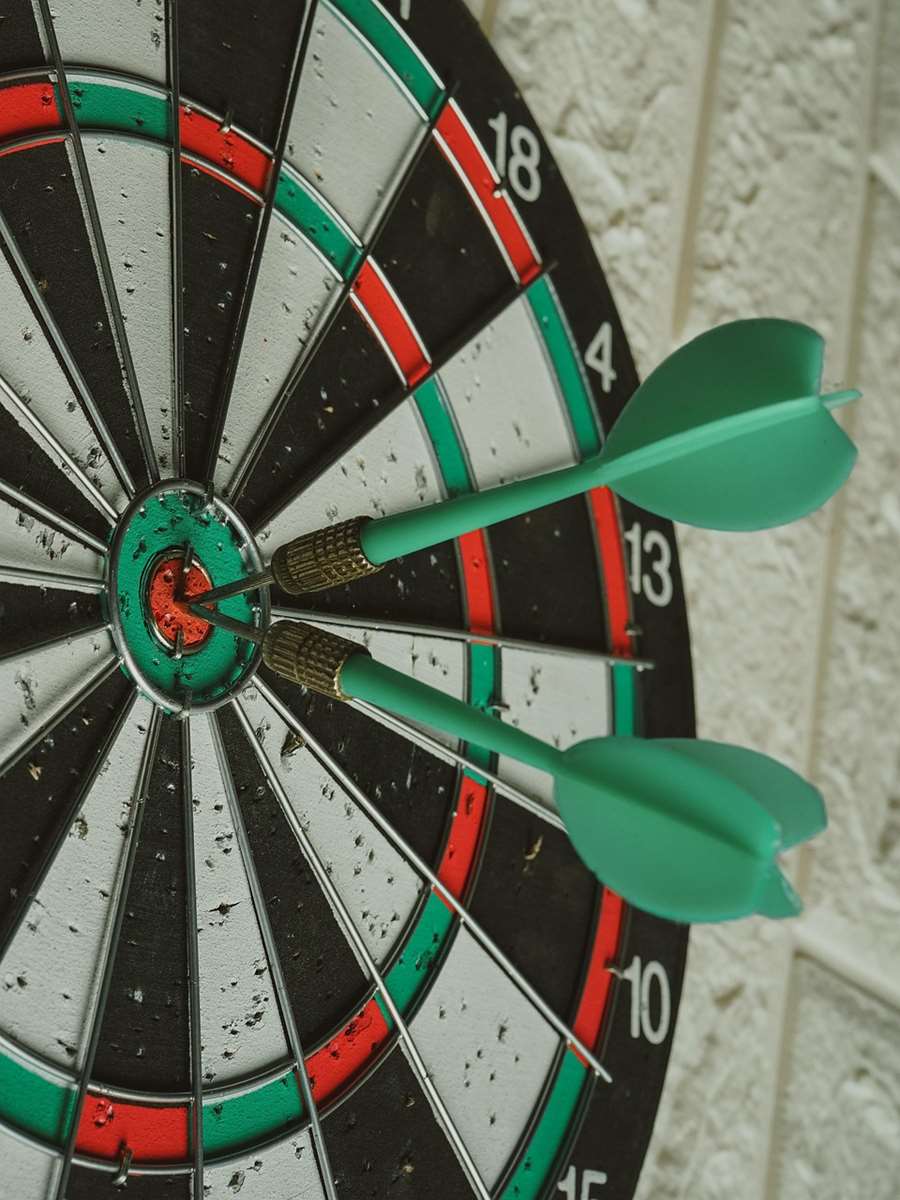
- Use a Clear Scoreboard: Whether using a chalkboard or an electronic scoreboard, ensure it’s easy to read and understand.
- Verbalize Scores Clearly: Announce each score clearly and concisely to avoid confusion.
- Double-Check Calculations: Take a moment to double-check calculations to minimize errors.
Minimizing Distractions at the Oche
Avoid unnecessary conversations or distractions while at the oche. Focus on your throw and avoid engaging in lengthy discussions until after your turn. This helps maintain your concentration and prevents delays in the game. Limiting distractions shows respect for your opponent and maintains the flow of play. The concentration aspect is often underestimated, but it’s a vital part of consistent dart throwing.
Respecting Your Opponent’s Time
Be mindful of your opponent’s time and avoid unnecessary delays when it’s their turn to throw. Step away from the oche promptly after your turn and allow them to prepare without feeling rushed. This demonstrates good sportsmanship and helps maintain a positive atmosphere. Good **darts etiquette** involves being considerate and understanding.
Strategies for Improving Darts Pace
Several strategies can help you improve your **darts pace** and avoid contributing to slow play. These include pre-planning your shots, practicing under time pressure, and seeking feedback from other players.
Pre-Planning Your Shots
Before stepping up to the oche, take a moment to mentally plan your shots. Visualize your targets and consider your scoring strategy. This helps you throw with more confidence and reduces hesitation on the oche. Thinking through your approach helps you to play at a suitable pace.
- Analyze the Board: Quickly assess the board and identify your target areas.
- Visualize Your Shots: Mentally visualize the trajectory of your darts.
- Develop a Scoring Strategy: Have a plan for how you want to approach each leg.
Practicing Under Time Pressure
Simulate match conditions during practice by setting time limits for your throws. This helps you develop the ability to perform under pressure and reduces the likelihood of slow play during actual games. Practicing efficiently is key to improving your game and understanding pace.
Seeking Feedback from Other Players
Ask other players for feedback on your **darts pace**. They may be able to identify areas where you can improve and offer suggestions for streamlining your routine. Constructive criticism can be invaluable in identifying and addressing slow play tendencies.

Addressing Slow Play in Others
Sometimes, you may encounter opponents who consistently play at a slow pace. Addressing this issue tactfully is important to maintain a positive atmosphere and ensure a fair game.
Tactful Communication
If you feel that your opponent is playing too slowly, address the issue tactfully and respectfully. Avoid accusatory language and focus on the impact the slow play is having on the game. Gently suggest that they try to speed up their routine or be more mindful of the time.
Involving a Referee (If Applicable)
In more formal settings, you may have the option of involving a referee to address slow play. The referee can assess the situation and issue warnings if necessary. However, this should be a last resort, as it can escalate tensions and disrupt the flow of the game.
Leading by Example
One of the best ways to address slow play is to lead by example. Maintain a good **darts pace** yourself and demonstrate the benefits of efficient play. This can encourage your opponent to speed up their game without the need for direct confrontation.
Conclusion: Promoting Good Darts Pace Etiquette
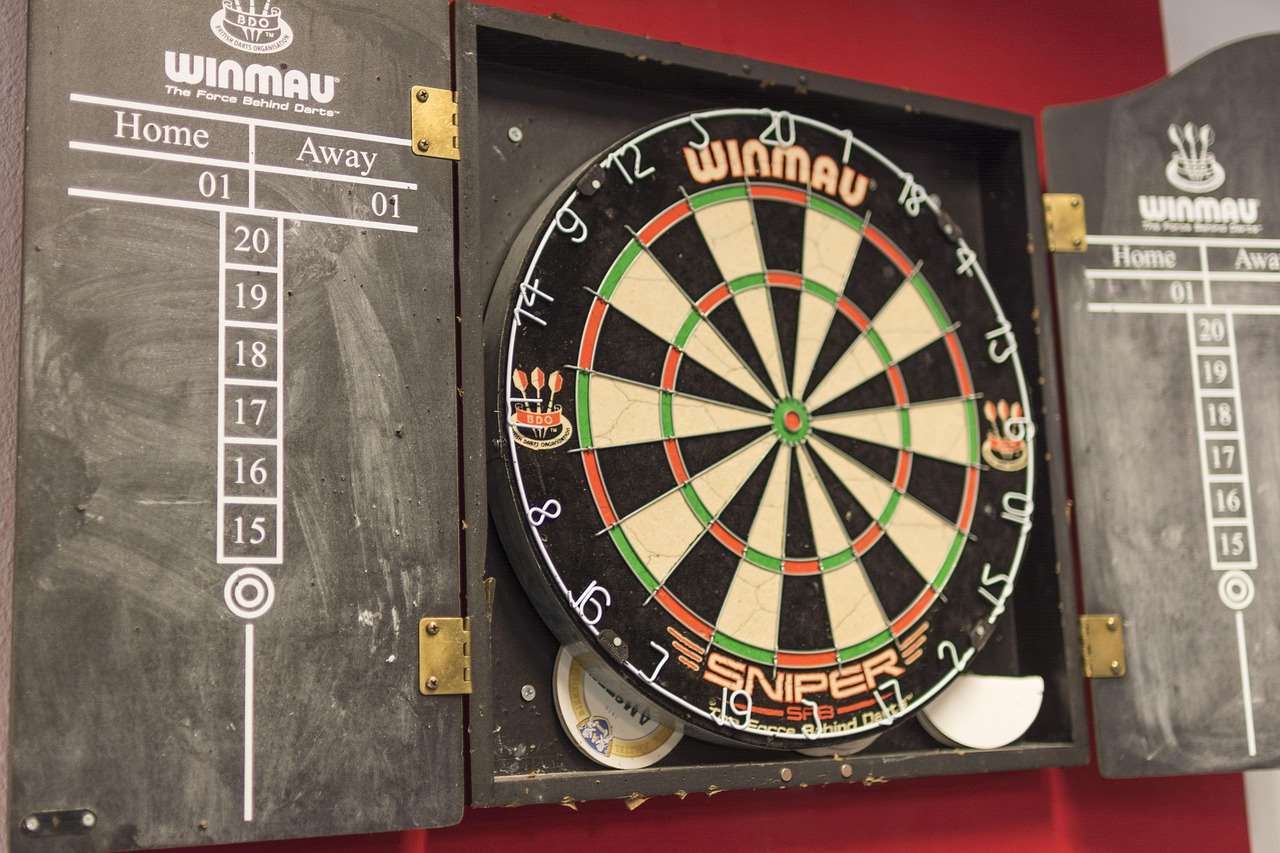
Avoiding slow play: darts pace etiquette is a crucial aspect of good sportsmanship and contributes to a more enjoyable experience for everyone involved. By being mindful of your routine, practicing efficient scorekeeping, minimizing distractions, and respecting your opponent’s time, you can help maintain a good **darts pace**. If you wish to learn more about other aspects of the game, check out adapting darts rules for beginners. Remember, respecting **darts etiquette** not only improves the game but also fosters a positive and supportive community for all dart players.
Now that you understand the importance of **darts pace etiquette**, commit to implementing these strategies in your next game. Encourage your fellow players to do the same, and together, you can create a more enjoyable and respectful darts environment. Practice these techniques and ensure a better experience for yourself and those around you.

Hi, I’m Dieter, and I created Dartcounter (Dartcounterapp.com). My motivation wasn’t being a darts expert – quite the opposite! When I first started playing, I loved the game but found keeping accurate scores and tracking stats difficult and distracting.
I figured I couldn’t be the only one struggling with this. So, I decided to build a solution: an easy-to-use application that everyone, no matter their experience level, could use to manage scoring effortlessly.
My goal for Dartcounter was simple: let the app handle the numbers – the scoring, the averages, the stats, even checkout suggestions – so players could focus purely on their throw and enjoying the game. It began as a way to solve my own beginner’s problem, and I’m thrilled it has grown into a helpful tool for the wider darts community.