Calculating averages in darts differs slightly between steel tip and soft tip due to scoring variations and the presence of handicap systems. This article will break down how to perform an average calculation steel vs soft tip, and we will delve into the nuances of each dart type, including scoring methods, statistical analysis, and the impact of player skill levels on overall averages.
⚠️ Still Using Pen & Paper (or a Chalkboard)?! ⚠️
Step into the future! The Dart Counter App handles all the scoring, suggests checkouts, and tracks your stats automatically. It's easier than you think!
Try the Smart Dart Counter App FREE!Ready for an upgrade? Click above!
Understanding the Basics: Steel Tip vs. Soft Tip Darts
Before we dive into the average calculation steel vs soft tip, it’s crucial to understand the fundamental differences between the two dart types. These differences significantly impact scoring and, consequently, average calculations.
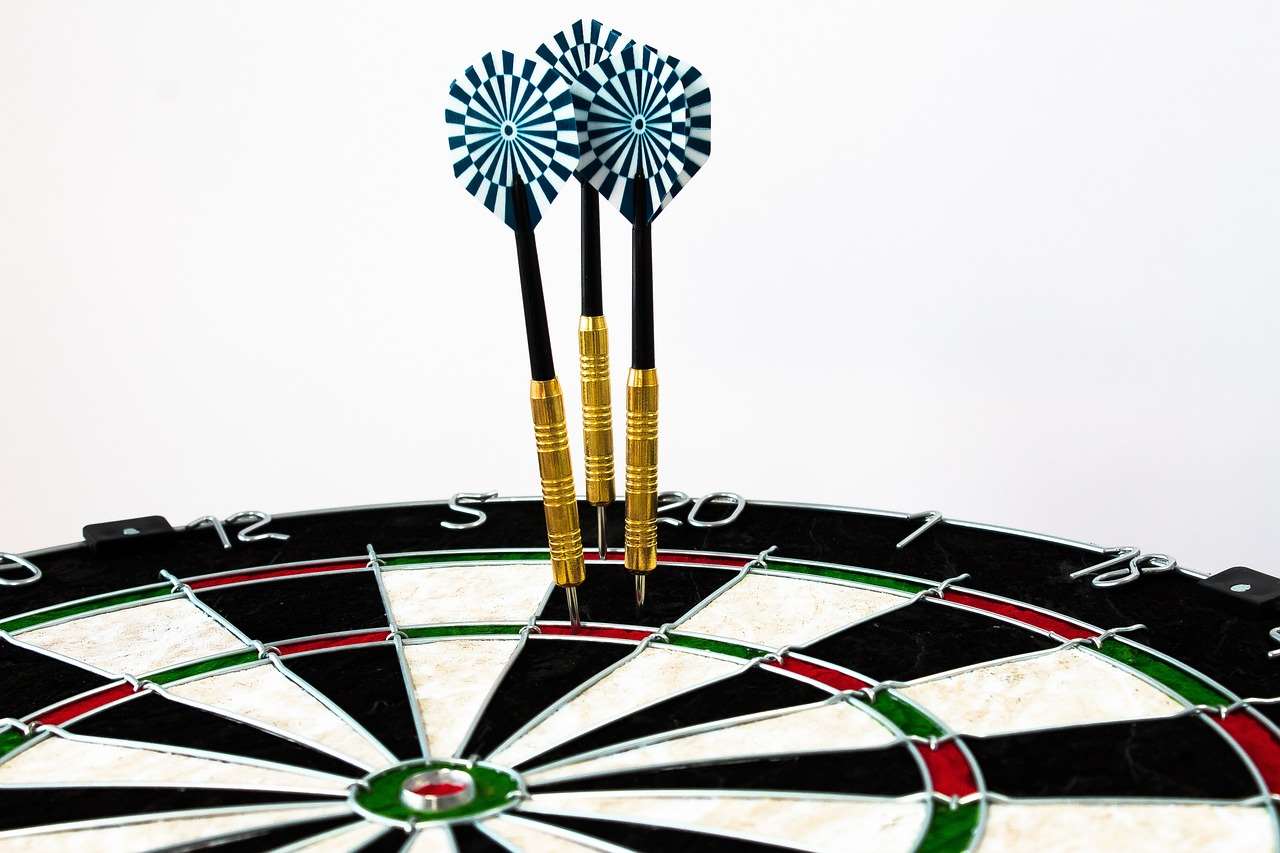
- Steel Tip Darts: These darts have a pointed steel tip designed to stick into a traditional sisal fiber dartboard. Scoring is typically manual, requiring players to add up their scores mentally or on a whiteboard.
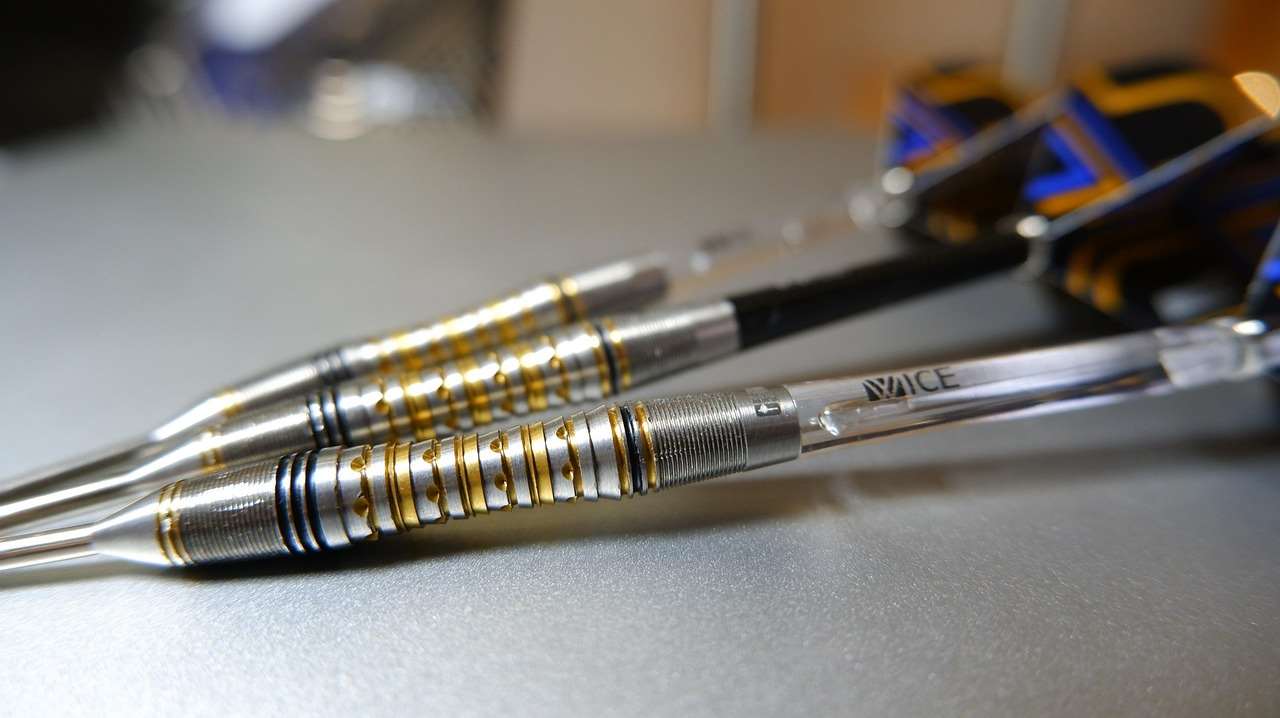
- Soft Tip Darts: These darts have a plastic tip and are designed for electronic dartboards. Electronic boards automatically calculate and display the score, simplifying the process.
The difference in scoring methods leads to variations in how averages are determined and tracked. Furthermore, soft tip darts often incorporate handicap systems, which add another layer of complexity to the average calculation steel vs soft tip.
Scoring Methods and Their Impact on Averages
The method of scoring influences the average calculation steel vs soft tip significantly. Let’s examine how:
Steel Tip Scoring
Steel tip dart scoring is based on where the dart lands on the board. The board is divided into numbered sections, doubles, trebles, and the bullseye. Players manually add up their scores for each throw or leg. To calculate an average, you sum up the total points scored and divide by the number of darts thrown.
For example, if a player throws 9 darts and scores 180, 140, and 100, their total score is 420. Their average would be 420/9 = 46.67 points per dart.
Soft Tip Scoring
Soft tip dart scoring on electronic boards automates the scoring process. The board displays the score immediately after each throw, making it easier to track progress. However, soft tip games often include features like:
- Cricket: In Cricket, the objective isn’t necessarily to score the most points, but to close out numbers. Therefore, averages in Cricket games may not be directly comparable to those in ’01 games.
- Handicap Systems: Many soft tip leagues use handicap systems to level the playing field. These systems adjust player scores based on their existing averages, making it crucial to understand how the handicap affects the average calculation steel vs soft tip.
Therefore, when performing an average calculation steel vs soft tip, you must consider the specific game format and whether a handicap system is in place. Basic Darts Fundamentals for Beginners explains the scoring more in depth.

Step-by-Step Guide to Calculating Averages
Whether you’re dealing with steel tip or soft tip darts, the core principle of calculating an average remains the same: divide the total score by the number of darts thrown.
Calculating Steel Tip Averages
- Record the Scores: Keep a detailed record of each throw, including the score for each dart.
- Sum the Total Score: Add up all the scores from each throw.
- Count the Number of Darts: Determine the total number of darts thrown.
- Divide: Divide the total score by the number of darts thrown to get the average.
Example: A player scores a total of 500 points in 15 darts. The average is 500 / 15 = 33.33 points per dart.
Calculating Soft Tip Averages
- Record the Scores (or Use Electronic Board Data): Electronic boards automatically track scores, but it’s good practice to keep a record for personal analysis.
- Consider Handicaps: If a handicap system is used, factor it into the calculation. This might involve adjusting the total score based on the handicap rules.
- Determine Total Score (Adjusted for Handicap if Applicable): Calculate the total score, taking into account any handicap adjustments.
- Count the Number of Darts: Determine the total number of darts thrown.
- Divide: Divide the total adjusted score by the number of darts thrown to get the average.
Example: A player scores 450 points, but has a handicap that adds 50 points to their total score. Their adjusted score is 500. If they threw 15 darts, their average is 500 / 15 = 33.33 points per dart.
It’s important to note that average calculation steel vs soft tip can be affected by different game types. For instance, in Cricket, which does not focus purely on numerical score, calculating an average score per dart may not accurately represent a player’s performance.

Statistical Analysis and What Averages Tell You
Calculating averages is just the first step. Understanding what those averages *mean* is crucial for improving your game. Averages can provide valuable insights into a player’s skill level and consistency.
Interpreting Steel Tip Averages
In steel tip darts, a higher average generally indicates better performance. However, it’s essential to consider other metrics such as:
- Checkout Percentage: The percentage of times a player successfully finishes a leg or game.
- 180s per Leg: The frequency with which a player scores the maximum 180.
- Accuracy on Doubles: How well a player hits the required double to finish the game.
A high average combined with strong checkout percentage and frequent 180s indicates a well-rounded player. Knowing how to interpret this data can significantly enhance your understanding of Adapting darts rules for small spaces: tips and tricks.
Interpreting Soft Tip Averages
In soft tip darts, averages are often influenced by the handicap system. A player with a lower average might have a higher handicap, effectively leveling the playing field. Therefore, evaluating averages in isolation can be misleading.
Consider these factors when analyzing soft tip averages:
- Handicap Level: Understand how the handicap affects the player’s score.
- Win-Loss Record: A player’s overall win-loss record can be a better indicator of performance than raw averages.
- Consistency: How consistently a player performs game after game.

Tips for Improving Your Average
Regardless of whether you play steel tip or soft tip darts, there are several strategies you can employ to improve your average score.
Practice Regularly
Consistent practice is the cornerstone of improvement. Regular sessions help refine your technique and build muscle memory. Focus on specific areas for improvement, such as:
- Accuracy: Aim for specific targets, such as the treble 20 or the bullseye.
- Consistency: Work on throwing the same dart repeatedly.
- Checkout Shots: Practice finishing legs from various scores.
Analyze Your Performance
Keep track of your scores and identify areas where you’re struggling. Are you missing doubles frequently? Are you struggling with certain checkout combinations? Identifying your weaknesses allows you to focus your practice efforts effectively. Understanding these intricacies is paramount in average calculation steel vs soft tip improvement.
Seek Feedback
Ask experienced players for feedback on your technique and strategy. They may be able to identify areas for improvement that you haven’t noticed yourself. Watch videos of professional dart players and try to emulate their techniques.
Equipment Optimization
Experiment with different dart weights, shaft lengths, and flight shapes to find the equipment that best suits your throwing style. Small adjustments to your equipment can sometimes lead to significant improvements in accuracy and consistency.
The Role of Handicap Systems in Soft Tip Averages
As mentioned earlier, handicap systems play a significant role in soft tip darts, impacting how averages are interpreted and calculated. These systems are designed to level the playing field, allowing players of different skill levels to compete fairly.
Understanding how a handicap system works is essential for accurate average calculation steel vs soft tip analysis. Handicap systems typically involve adjusting a player’s score based on their existing average.
For example, a player with a lower average might receive a higher handicap, adding points to their score each game. This effectively narrows the gap between them and players with higher averages. This process requires careful planning when How to make darts fairer with handicap rules.
To accurately assess a player’s performance in a handicapped soft tip game, it’s crucial to consider both their raw score and their handicap adjustment. A player with a lower raw score but a significant handicap might actually be performing better than a player with a higher raw score but a smaller handicap. Remember that when performing the average calculation steel vs soft tip, be sure to keep the game and scoring variation in mind.
Conclusion
Understanding the average calculation steel vs soft tip is essential for anyone serious about improving their dart game. While the basic principle of dividing the total score by the number of darts remains the same, the nuances of scoring methods, game types, and handicap systems require careful consideration. By tracking your averages, analyzing your performance, and implementing targeted practice strategies, you can steadily improve your game and achieve your darting goals. Remember to practice regularly, analyze your performance, and seek feedback to improve your game. Now that you understand the calculations and some ways to improve, go out there and improve your score!

Hi, I’m Dieter, and I created Dartcounter (Dartcounterapp.com). My motivation wasn’t being a darts expert – quite the opposite! When I first started playing, I loved the game but found keeping accurate scores and tracking stats difficult and distracting.
I figured I couldn’t be the only one struggling with this. So, I decided to build a solution: an easy-to-use application that everyone, no matter their experience level, could use to manage scoring effortlessly.
My goal for Dartcounter was simple: let the app handle the numbers – the scoring, the averages, the stats, even checkout suggestions – so players could focus purely on their throw and enjoying the game. It began as a way to solve my own beginner’s problem, and I’m thrilled it has grown into a helpful tool for the wider darts community.