Mastering the art of **Around the Clock solo practice** is the key to consistent dart-throwing and significant skill improvement. This article provides a comprehensive guide to setting up effective training routines, tracking progress, and maximizing your solo practice sessions to elevate your dart game.
⚠️ Still Using Pen & Paper (or a Chalkboard)?! ⚠️
Step into the future! The Dart Counter App handles all the scoring, suggests checkouts, and tracks your stats automatically. It's easier than you think!
Try the Smart Dart Counter App FREE!Ready for an upgrade? Click above!
The Power of Solo Practice for Dart Players
Many dart players, even seasoned professionals, rely heavily on solo practice to hone their skills. While playing games against opponents is important, solo practice allows you to focus on specific weaknesses, experiment with different techniques, and build muscle memory without the pressure of competition. It’s about dedicated time spent refining your throw, aiming precision, and mental focus.
Why Choose Around the Clock Solo Practice?
The **Around the Clock solo practice** method is particularly effective for several reasons:
- Targeted Practice: Forces you to aim at every number on the board, improving overall accuracy.
- Focus and Concentration: Requires sustained concentration, enhancing your mental game.
- Identifies Weaknesses: Quickly reveals which numbers you struggle with, allowing you to address them.
- Progress Tracking: Easy to monitor your progress and see improvements over time.
Think of solo practice as your private dart laboratory, a space where you can freely experiment and learn from your mistakes without judgment. Embrace this opportunity to fine-tune your abilities and become a more consistent and confident player.

Setting Up Your Around the Clock Solo Practice Routine
Before you begin your **Around the Clock solo practice**, it’s essential to establish a structured routine. This will help you stay focused, motivated, and ensure you’re making the most of your time.
Essential Elements of a Routine
- Warm-up: Start with a light warm-up to prepare your muscles and focus your mind. This could involve some stretching, light cardio, and a few practice throws at the bullseye.
- Defined Goals: Set specific, measurable, achievable, relevant, and time-bound (SMART) goals for each practice session. For example, “Hit each number on the board three times in a row within 30 minutes.”
- Structured Practice: Divide your practice time into specific drills and exercises. Focus on different areas of your game, such as accuracy, consistency, and mental toughness.
- Cool-down: End with a cool-down to relax your muscles and reflect on your progress.
Remember to track your progress and adjust your routine as needed. Don’t be afraid to experiment and find what works best for you. The key is to create a routine that is both challenging and enjoyable, so you’re more likely to stick with it.
Variations on the Around the Clock Practice
While the basic concept of **Around the Clock** is simple, you can add variations to keep things interesting and challenge yourself further:
- Double or Triple Out: Require yourself to finish each number with a double or triple. This increases the difficulty and improves your finishing skills.
- Non-Dominant Hand: Practice throwing with your non-dominant hand to improve your overall coordination and balance.
- Constraint Throwing: Place physical constraints (like standing on one leg or throwing from a specific angle) to challenge your balance and adaptablity.
By incorporating these variations, you can avoid monotony and continue to push yourself to improve your **dart throwing technique**.
Tracking Your Progress and Identifying Weaknesses
Tracking your progress is crucial for understanding what’s working and what needs improvement. It provides valuable data that can help you refine your **solo practice** routine and focus your efforts on the areas where you need the most help.
Methods for Tracking Progress
- Scorecard: Use a scorecard to record your scores for each number on the board. This will give you a clear picture of your accuracy and consistency.
- Spreadsheet: Create a spreadsheet to track your progress over time. This allows you to analyze your data and identify trends.
- Dart Tracking Apps: Several dart tracking apps are available that can help you track your scores, analyze your performance, and set goals.
Regardless of the method you choose, make sure you’re consistently tracking your progress. This data will be invaluable as you continue to improve your game.
Addressing Weaknesses
Once you’ve identified your weaknesses, it’s time to address them. This may involve spending more time practicing specific numbers, adjusting your grip or stance, or seeking advice from a coach or experienced player. Remember that even professional dart players have to use Adapting darts games skills.
Don’t be discouraged by your weaknesses. Embrace them as opportunities for growth and improvement. With dedicated practice and a willingness to learn, you can overcome your challenges and become a stronger, more well-rounded dart player.

Maximizing the Benefits of Around the Clock Solo Practice
To truly reap the rewards of **Around the Clock solo practice**, it’s important to approach it with the right mindset and strategies. This involves more than just throwing darts; it’s about creating a focused, intentional practice environment that fosters growth and improvement.
Mental Preparation and Focus
Before you even pick up a dart, take a few moments to mentally prepare yourself for the practice session. Visualize yourself hitting your targets, focus on your breathing, and clear your mind of distractions. This mental preparation will help you stay focused and motivated throughout your practice.
During your practice, pay attention to your thoughts and emotions. If you find yourself getting frustrated or discouraged, take a break and refocus. Remember that practice is about learning and improvement, not perfection.
Physical Conditioning and Proper Form
While darts may seem like a purely skill-based game, physical conditioning plays a significant role. Maintaining good posture, core strength, and overall fitness can improve your balance, stability, and endurance, all of which are essential for consistent dart throwing.
Pay close attention to your form and technique. Ensure you have a comfortable and consistent grip, stance, and throwing motion. If possible, record yourself throwing and analyze your form to identify areas for improvement. Understanding the importance of Scaling dart game difficulty is key to pushing your physical and mental limits.

Beyond the Basics: Advanced Techniques for Solo Practice
Once you’ve mastered the fundamentals of **Around the Clock solo practice**, you can explore more advanced techniques to further challenge yourself and refine your skills.
Simulating Game Situations
To prepare for real-game scenarios, try simulating game situations during your practice. For example, you could practice finishing from different scores, throwing under pressure, or dealing with distractions. This will help you develop your decision-making skills and maintain your composure under pressure. You might even consider how to apply the Handicap system fun dart games to your solo practice to simulate playing against different skill levels.
Experimenting with Different Darts and Setups
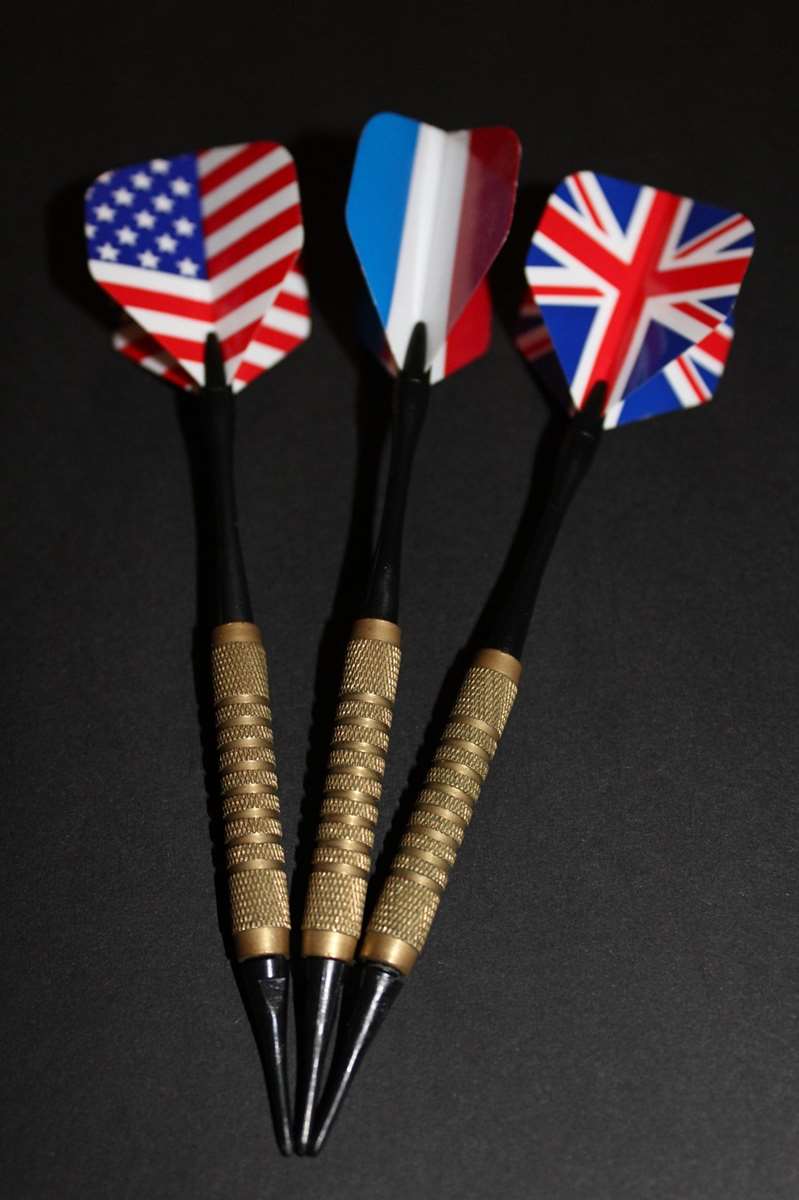
Experiment with different darts, shafts, flights, and setups to find what works best for you. Even small changes can have a significant impact on your accuracy and consistency. Take the time to experiment and find the setup that feels most comfortable and allows you to throw your best.
Seeking Feedback and Analysis
Don’t be afraid to seek feedback from experienced players or coaches. They can provide valuable insights and help you identify areas for improvement that you may not have noticed on your own. Consider recording your practice sessions and analyzing them with a coach or experienced player to get a fresh perspective on your technique.
Remember, continuous learning and improvement are essential for reaching your full potential as a dart player. Embrace the challenge, stay curious, and never stop seeking ways to refine your skills. Exploring Darts Variants Fun Games during practice can provide a fun alternative to classic **Around the Clock**.

Conclusion
**Around the Clock solo practice** is a powerful tool for improving your dart game. By setting up a structured routine, tracking your progress, and maximizing the benefits of each practice session, you can significantly enhance your accuracy, consistency, and mental toughness. Remember that consistent effort, patience, and a willingness to learn are key to unlocking your full potential. Start implementing these strategies today and watch your dart game soar. Consider joining a local darts league or club to put your newly honed skills to the test!

Hi, I’m Dieter, and I created Dartcounter (Dartcounterapp.com). My motivation wasn’t being a darts expert – quite the opposite! When I first started playing, I loved the game but found keeping accurate scores and tracking stats difficult and distracting.
I figured I couldn’t be the only one struggling with this. So, I decided to build a solution: an easy-to-use application that everyone, no matter their experience level, could use to manage scoring effortlessly.
My goal for Dartcounter was simple: let the app handle the numbers – the scoring, the averages, the stats, even checkout suggestions – so players could focus purely on their throw and enjoying the game. It began as a way to solve my own beginner’s problem, and I’m thrilled it has grown into a helpful tool for the wider darts community.