The Around the Clock scoring guide offers a straightforward method for beginners to quickly learn the game of darts by focusing on hitting each number on the board in sequence. This article will provide a comprehensive overview of the Around the Clock dart game rules, scoring system, and helpful strategies to improve your game.
⚠️ Still Using Pen & Paper (or a Chalkboard)?! ⚠️
Step into the future! The Dart Counter App handles all the scoring, suggests checkouts, and tracks your stats automatically. It's easier than you think!
Try the Smart Dart Counter App FREE!Ready for an upgrade? Click above!
Understanding the Basics of the Around the Clock Scoring Guide
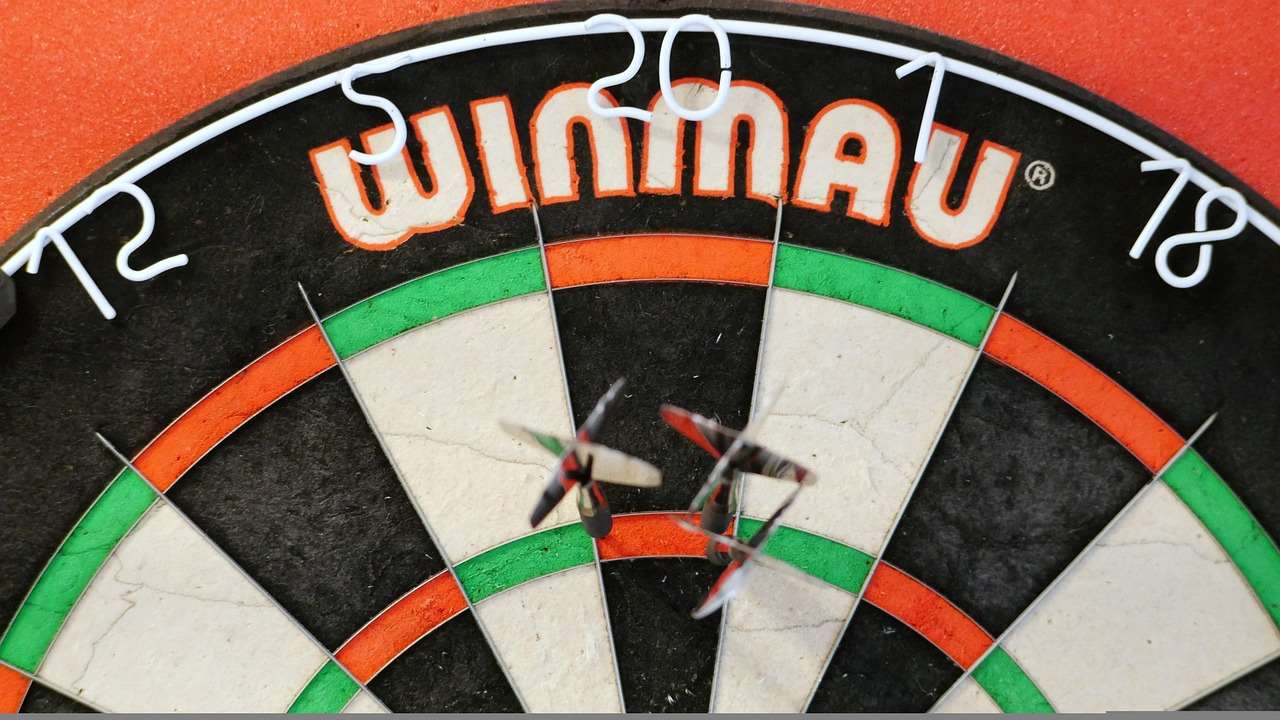
The Around the Clock scoring guide centers around a simple concept: hitting each number on the dartboard in order, from 1 to 20. This makes it an ideal game for beginners who are just learning the layout of the board and developing their accuracy. Unlike other dart games that involve complex scoring calculations, Around the Clock focuses on precise targeting, allowing players to concentrate on their throwing technique.
Several variations exist, adding complexity as players improve. Some versions require hitting each number in singles only, while others demand doubles or trebles on specific numbers. The core principle, however, remains the same: sequential accuracy.
How to Play Around the Clock: A Step-by-Step Guide
Playing Around the Clock is easy to learn. Here’s a breakdown of the steps:
- Setup: Determine the order of play. Players usually take turns throwing a single dart closest to the bullseye to decide.
- Starting Point: The first player aims for the number 1 on the dartboard.
- Scoring: If the player hits the number 1 (in any section – single, double, or treble), they then advance to targeting the number 2. If they miss, their turn ends, and the next player takes their turn.
- Continuing the Game: Players continue taking turns, attempting to hit the next consecutive number in the sequence.
- Winning the Game: The first player to successfully hit all numbers from 1 to 20 wins the game.
Remember, depending on the variation being played, you might need to hit specific sections of the board (e.g., only the single area of each number). Discuss and agree upon the rules before starting a game to avoid confusion. Understanding these rules could help when Adjusting dart game rules to suit the skills of players
Variations of the Around the Clock Scoring Guide
One of the great things about Around the Clock is its adaptability. Here are some common variations:
- Singles Only: Players must hit only the single section of each number. This adds a significant level of difficulty.
- Doubles Only: Players must hit the double section of each number. This is a more challenging variation, requiring greater precision.
- Trebles Only: The most difficult variation, requiring players to hit the treble section of each number.
- Clockwise/Counter-Clockwise: Play in reverse order, starting from 20 and going down to 1, or alternate directions each round.
- Limited Darts: Each player gets a limited number of darts per turn (e.g., one dart per number). This increases the pressure to hit the target.
Experimenting with these variations can keep the game fresh and challenging, even for experienced dart players. There are many Darts Variants Fun Games you can play with a standard board.
Strategies for Improving Your Around the Clock Game
While Around the Clock is relatively simple, there are several strategies you can employ to improve your accuracy and win more often:
- Focus on Your Stance and Grip: Maintain a consistent stance and grip for each throw. This will help with repeatability and accuracy.
- Aim Carefully: Take your time to aim properly before releasing the dart. Don’t rush your throws.
- Follow Through: Ensure a smooth follow-through with your arm after releasing the dart. This will help to maintain accuracy.
- Practice Regularly: The more you practice, the better you will become at hitting your targets. Consistent practice is key to improving your dart game.
Consider focusing your practice sessions on specific numbers or sections of the board that you find particularly challenging. Over time, you’ll get better at Adapting darts games skills to more complex versions of Around the Clock and other dart games.
The Psychological Aspect of Around the Clock
Beyond the physical aspects of throwing darts, the mental game is also important in Around the Clock. Maintaining focus, managing pressure, and staying calm under pressure can significantly impact your performance. Visualizing success and maintaining a positive attitude can help you stay focused and improve your accuracy.
Learning to block out distractions and focus solely on the target is a crucial skill for any dart player. Practice techniques like deep breathing and visualization to help you stay calm and focused during intense moments of the game. This can be especially crucial as you approach the final numbers, where the pressure to win can be intense.
Around the Clock Scoring Guide and Handicap Systems
To make the game more equitable when playing with people of different abilities, you can employ a handicap system. This allows less experienced players to have a chance of winning against more skilled opponents. Here are a few ideas for handicapping Around the Clock:
- Starting Number: Allow less experienced players to start at a higher number (e.g., number 5 or 10) while the more skilled player starts at number 1.
- Extra Darts: Give less experienced players extra darts per turn.
- Forgiveness Zone: Create a “forgiveness zone” around each number, allowing hits slightly off-center to count.
Using a handicap system not only makes the game more enjoyable for everyone involved but also encourages less experienced players to improve their skills. Consider using a Handicap system fun dart games to make the match more competitive for players of varying skill levels.
Why Around the Clock is a Great Practice Tool
The Around the Clock scoring guide isn’t just a fun game; it’s also an excellent tool for improving your overall dart-throwing skills. By focusing on hitting specific numbers, you can develop your accuracy, consistency, and concentration. It helps you learn the board layout and practice hitting different areas, which is beneficial for other dart games like 501 or Cricket.
Furthermore, practicing Around the Clock can help you identify weaknesses in your throwing technique or specific numbers that you struggle with. You can then focus your practice sessions on addressing those areas, leading to overall improvement in your dart game. This method assists in Scaling dart game difficulty effectively.

Advanced Around the Clock Strategies
As you become more proficient in Around the Clock, you can explore more advanced strategies to further challenge yourself and improve your game:
- Target Specific Sections: Instead of just aiming for any part of the number, focus on hitting the single, double, or treble section.
- Practice Under Pressure: Simulate game-like conditions by setting goals or imposing penalties for missed throws.
- Visualize Success: Before each throw, visualize the dart hitting the target accurately. This can help improve your mental focus and confidence.
These strategies can help you refine your technique and develop the mental toughness required to excel in more competitive dart games. Remember that consistent practice and a positive attitude are crucial for continuous improvement.
Equipment Considerations for Around the Clock
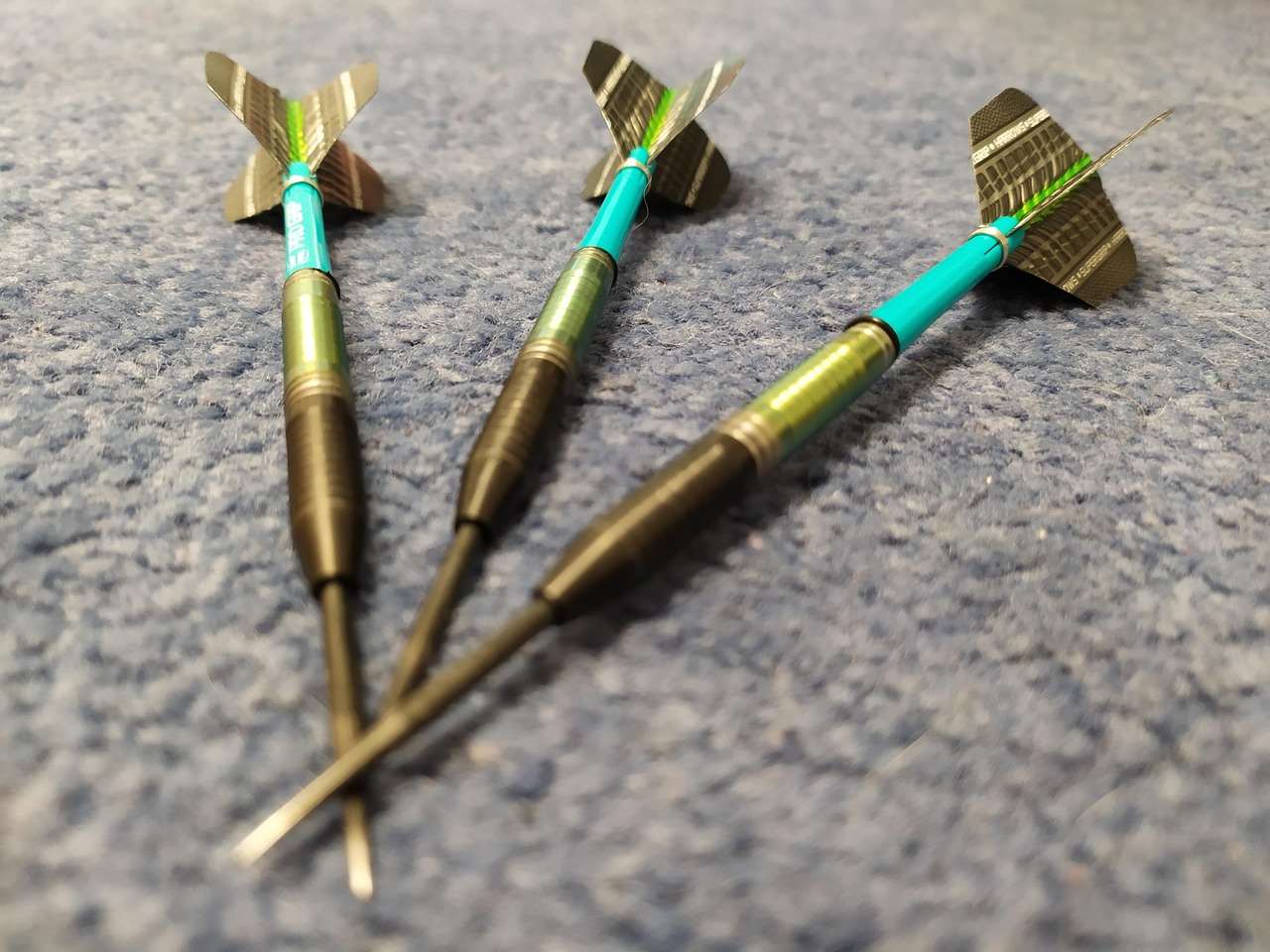
Having the right equipment can make a noticeable difference in your performance in Around the Clock. While you don’t need expensive gear to enjoy the game, investing in quality darts and a good dartboard can enhance your experience and improve your accuracy. Consider these factors:
- Dart Weight: Experiment with different dart weights to find what feels most comfortable and controllable for you.
- Dart Material: Tungsten darts are generally preferred by serious players due to their density and slim profile.
- Dartboard Quality: A high-quality dartboard will have consistent sisal fibers and a good wire construction to reduce bounce-outs.
Maintaining your equipment is also important. Regularly clean your darts and rotate your dartboard to ensure even wear and tear. This will help to prolong the life of your equipment and maintain its performance.
The Social Aspect of Around the Clock
Around the Clock is not only a fun and challenging game but also a great way to socialize with friends and family. It can be played by people of all ages and skill levels, making it an inclusive activity for gatherings and parties. The simplicity of the rules makes it easy for newcomers to learn, while the variations offer enough challenge to keep experienced players engaged.

Playing Around the Clock in a social setting can also foster friendly competition and camaraderie. Cheering each other on, sharing tips, and celebrating successes can create a positive and enjoyable atmosphere for everyone involved. Make sure Making darts games fair players will enhance the social aspects of the game.
Around the Clock: A Game for All Skill Levels
Ultimately, the beauty of the Around the Clock scoring guide lies in its simplicity and accessibility. Whether you’re a seasoned dart player looking for a fun practice drill or a beginner just starting to learn the game, Around the Clock offers something for everyone. Its straightforward rules and adaptable variations make it a versatile and enjoyable game for all skill levels.
So, grab your darts, gather your friends, and give Around the Clock a try. You might be surprised at how quickly you improve your accuracy and how much fun you have along the way. Remember to start with the basics, practice regularly, and enjoy the process of learning and improving. Playing Darts games different skill levels can be a rewarding experience.
Conclusion
Mastering the Around the Clock scoring guide is a fantastic way to improve your dart skills and enjoy a classic game. From understanding the basic rules and exploring variations to implementing effective strategies and considering equipment choices, this guide has provided you with a comprehensive overview of Around the Clock. Whether you’re playing for fun or striving to become a more competitive dart player, the principles outlined in this article will help you achieve your goals.
Now that you have a solid understanding of Around the Clock, it’s time to put your knowledge into practice. Grab your darts, find a dartboard, and start honing your skills. With consistent practice and a positive attitude, you’ll be hitting those numbers in no time. Consider trying the singles only version to test your abilities, or even the doubles and trebles variations for a really intense challenge! Start playing Around the Clock today and discover the fun and rewarding world of darts!

Hi, I’m Dieter, and I created Dartcounter (Dartcounterapp.com). My motivation wasn’t being a darts expert – quite the opposite! When I first started playing, I loved the game but found keeping accurate scores and tracking stats difficult and distracting.
I figured I couldn’t be the only one struggling with this. So, I decided to build a solution: an easy-to-use application that everyone, no matter their experience level, could use to manage scoring effortlessly.
My goal for Dartcounter was simple: let the app handle the numbers – the scoring, the averages, the stats, even checkout suggestions – so players could focus purely on their throw and enjoying the game. It began as a way to solve my own beginner’s problem, and I’m thrilled it has grown into a helpful tool for the wider darts community.