While not explicitly listed as a “foul” in official darts regulations, the question of are verbal taunts considered fouls in darts? is complex; unsportsmanlike conduct, including excessive or disruptive verbal taunts, can lead to warnings and potential disqualification. This article explores the nuances of etiquette in darts, the line between acceptable gamesmanship and unsportsmanlike behavior, and how official rules address (or fail to address) the issue of verbal distractions.
⚠️ Still Using Pen & Paper (or a Chalkboard)?! ⚠️
Step into the future! The Dart Counter App handles all the scoring, suggests checkouts, and tracks your stats automatically. It's easier than you think!
Try the Smart Dart Counter App FREE!Ready for an upgrade? Click above!
The Spirit of the Game: Etiquette in Darts
Darts, at its core, is a game of skill, precision, and focus. While the heat of competition can sometimes lead to heightened emotions, a certain level of etiquette is expected from all players. This unwritten code of conduct is vital for maintaining a fair and enjoyable environment for everyone involved. Understanding etiquette in darts is paramount to being a respectful player.
Etiquette goes beyond simply following the official rules. It encompasses respect for your opponent, sportsmanship, and a general commitment to maintaining a positive atmosphere. Think of it as the “golden rule” applied to the oche. Some examples of good darting etiquette include:
- Avoiding excessive noise or movement during your opponent’s throw.
- Refraining from offering unsolicited advice unless requested.
- Acknowledging good shots, regardless of who made them.
- Accepting both wins and losses with grace and humility.
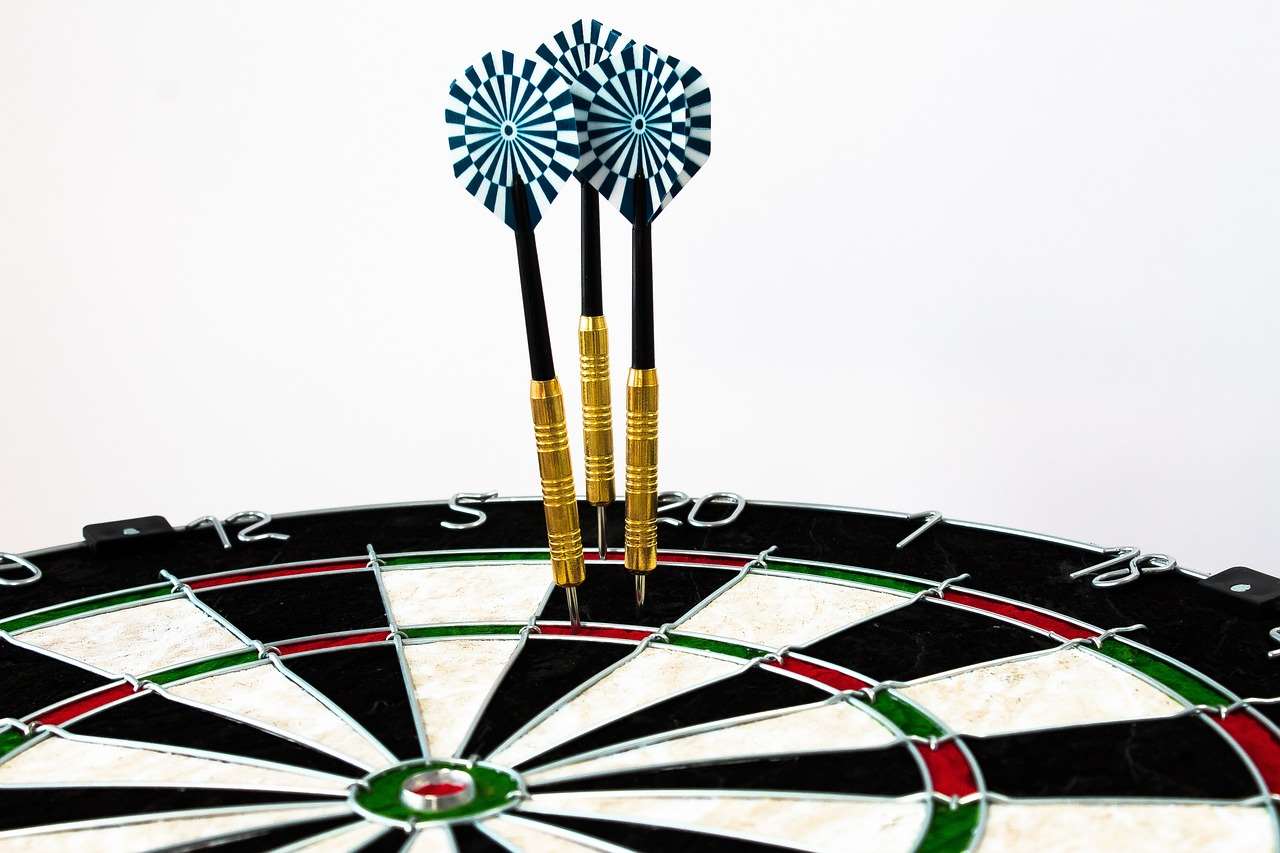
These principles create a more enjoyable and respectful playing environment, fostering camaraderie and promoting the true spirit of the game. Remember that while winning is important, how you play the game matters just as much.
Official Rules and Unsportsmanlike Conduct
Most official darting rulebooks, such as those used by the Professional Darts Corporation (PDC) or the World Darts Federation (WDF), primarily focus on the technical aspects of the game – board specifications, throwing distances, scoring, and tournament formats. However, they also typically include clauses addressing unsportsmanlike conduct. It’s within these clauses that the issue of verbal taunts becomes relevant.
These clauses often grant referees or tournament officials the authority to issue warnings or penalties for behavior deemed disruptive, offensive, or detrimental to the game’s integrity. While “verbal taunts” might not be explicitly mentioned, their potential to fall under the umbrella of unsportsmanlike conduct is significant. The interpretation ultimately rests with the officials present.
Here are some specific examples of behaviors that *could* be considered unsportsmanlike, even if not strictly defined as “fouls”:
- Deliberately distracting an opponent: Making noises, moving excessively, or using disruptive gestures while your opponent is throwing.
- Using offensive or abusive language: Swearing, insults, or personal attacks directed at your opponent, officials, or spectators.
- Disputing calls aggressively or disrespectfully: Arguing with the referee in a manner that is deemed inappropriate or threatening.
- Stalling or delaying the game unnecessarily: Intentionally slowing down the pace of play to frustrate your opponent.
The consequences for unsportsmanlike conduct can range from a verbal warning to point deductions, game forfeiture, or even disqualification from the tournament. Therefore, it’s best to err on the side of caution and maintain a respectful demeanor throughout the match.
The Gray Area: Gamesmanship vs. Harassment
A crucial distinction exists between acceptable gamesmanship and outright harassment or unsportsmanlike conduct. A little bit of friendly banter or playful ribbing can be a part of the competitive atmosphere, but it’s essential to know where to draw the line. Figuring out gamesmanship vs. harassment is crucial.
Gamesmanship often involves subtle strategies designed to gain a psychological edge over your opponent. This might include:
- Maintaining a confident demeanor, even when facing adversity.
- Utilizing strategic pauses or breaks to disrupt your opponent’s rhythm.
- Offering a compliment after a particularly good shot (which can sometimes subtly increase pressure).
However, the key is to ensure that these tactics remain within the bounds of respect and fair play. Once the behavior crosses the line into personal attacks, offensive language, or deliberate attempts to disrupt an opponent’s focus through disruptive verbal **darts trash talk**, it becomes unacceptable.
Consider the intent behind the action. Is it meant to genuinely unsettle your opponent in a way that goes beyond acceptable competition? Is it designed to demean or belittle them? If so, it’s likely crossing the line into unsportsmanlike conduct.
Examples of Verbal Taunts and Their Potential Consequences
To further illustrate the complexities of verbal taunts in darts, let’s consider some specific examples and their potential consequences:
Scenario 1: A player consistently shouts “miss!” every time their opponent throws a dart. While seemingly harmless, this persistent behavior could be interpreted as a deliberate attempt to distract and unsettle the opponent. A referee might issue a warning for unsportsmanlike conduct, especially if the player has been asked to stop.
Scenario 2: A player makes a derogatory comment about their opponent’s throwing technique or physical appearance. This type of personal attack is clearly unacceptable and would likely result in a more severe penalty, such as a point deduction or even disqualification.
Scenario 3: A player playfully jokes about their opponent’s poor scoring after a particularly bad round. If the banter is lighthearted and reciprocated, it might be considered acceptable gamesmanship. However, if the opponent clearly takes offense or feels harassed, the player should cease the behavior immediately to avoid further escalation. Knowing Fun dart game variations with modified rules can also make a difference in maintaining the spirit of the game and keeping things light. Understanding how rules can bend in friendlier games can give context to what’s acceptable overall.
Scenario 4: A player loudly and repeatedly celebrates their own good shots, potentially intimidating their opponent. This falls into a gray area; while some celebratory expressions are acceptable, excessive or aggressive celebrations could be perceived as unsportsmanlike. A referee might issue a warning if the behavior is deemed disruptive.
The Role of Referees and Tournament Officials
In organized darting events, referees and tournament officials play a crucial role in maintaining order and enforcing the rules. They are responsible for observing player behavior, interpreting the rules regarding unsportsmanlike conduct, and taking appropriate action when necessary. The role of referees is critical in resolving these ambiguities.
Referees typically have the authority to issue warnings, deduct points, or disqualify players for violations of the rules. They are expected to exercise their judgment fairly and impartially, considering the specific circumstances of each situation. Basic Darts Fundamentals for Beginners can also help new players understand the importance of fair play and sportsmanship from the outset.
If you believe that your opponent is engaging in unsportsmanlike conduct, you should bring it to the attention of the referee or tournament official immediately. It’s important to remain calm and respectful when lodging your complaint, providing specific details about the behavior in question.
Maintaining a Positive and Respectful Darting Environment
Ultimately, creating a positive and respectful darting environment is the responsibility of all players. By adhering to the principles of good sportsmanship, respecting your opponents, and avoiding any behavior that could be construed as harassment or intimidation, you can contribute to a more enjoyable experience for everyone involved.
Here are some tips for maintaining a positive atmosphere:
- Always treat your opponent with respect, regardless of their skill level.
- Refrain from using offensive language or personal attacks.
- Avoid excessive noise or movement during your opponent’s throw.
- Acknowledge good shots, even if they’re made by your opponent.
- Accept both wins and losses with grace and humility.
By following these simple guidelines, you can help ensure that darts remains a fun and enjoyable game for all.
Are Verbal Taunts Considered Fouls in Darts?: A Summary
So, are verbal taunts considered fouls in darts? The answer is nuanced. While not explicitly labeled as “fouls,” excessive or disruptive verbal taunts can certainly be deemed unsportsmanlike conduct and lead to warnings, penalties, or even disqualification. The key lies in understanding the difference between acceptable gamesmanship and behavior that crosses the line into harassment or intimidation.
Practical Tips for Handling Taunting Opponents
Dealing with a verbally aggressive opponent can be challenging. Here are some practical tips for navigating such situations:
- Stay Calm: Don’t let your opponent’s words get under your skin. Maintaining composure is crucial.
- Focus on Your Game: Block out the distractions and concentrate on your own performance.
- Politely Address the Behavior: If you feel comfortable, calmly ask your opponent to refrain from the taunting. Sometimes, a direct but polite request can be effective.
- Involve the Referee: If the behavior persists or escalates, immediately inform the referee or tournament official.
- Don’t Retaliate: Responding in kind will only exacerbate the situation and could lead to penalties for both of you.
Remember, your primary goal is to play your best game. Don’t allow your opponent’s behavior to derail your focus or affect your performance. Consider Alternative darts rules for home play for a less formal setting; this will likely influence acceptable levels of banter.
Adapting Rules for Different Settings
The level of acceptable banter can also depend on the setting. A casual game among friends will likely have a much more relaxed atmosphere than a professional tournament. It’s important to be mindful of the context and adjust your behavior accordingly. In a friendly game, some playful ribbing might be perfectly acceptable, but in a more formal setting, it’s best to err on the side of caution. Also, understanding How to make darts fairer with handicap rules demonstrates that fairness in darts is a common concern, which naturally opposes intentionally distracting or bullying opponents. Knowing how to balance competition with consideration is important.
The Future of Rules Regarding Verbal Conduct in Darts
As darts continues to grow in popularity, it’s possible that governing bodies may revisit and clarify the rules regarding verbal conduct. More specific guidelines could help to eliminate ambiguity and provide clearer direction for both players and officials. This could involve explicitly defining what constitutes a “verbal taunt” and outlining specific penalties for such behavior. The **future of rules regarding verbal conduct in darts** may involve more clearly defined regulations.
Such clarity would help to ensure fairness and consistency across different tournaments and playing environments. It would also send a clear message that unsportsmanlike behavior will not be tolerated in the sport of darts. Continued discussion and refinement of these rules are essential for maintaining the integrity and positive image of the game.
Conclusion
In conclusion, while official darts rules may not explicitly list verbal taunts as “fouls,” the principles of sportsmanship and the clauses regarding unsportsmanlike conduct provide a framework for addressing disruptive behavior. The overarching message is clear: maintaining a respectful and positive environment is crucial for the integrity and enjoyment of the game. While some gamesmanship may be acceptable, crossing the line into harassment or intimidation is never justified. Understanding the nuances of are verbal taunts considered fouls in darts? empowers players to be more respectful and play ethically. Remember to always prioritize fair play and respect for your opponents. Now, head to the oche and showcase your skills with integrity!

Hi, I’m Dieter, and I created Dartcounter (Dartcounterapp.com). My motivation wasn’t being a darts expert – quite the opposite! When I first started playing, I loved the game but found keeping accurate scores and tracking stats difficult and distracting.
I figured I couldn’t be the only one struggling with this. So, I decided to build a solution: an easy-to-use application that everyone, no matter their experience level, could use to manage scoring effortlessly.
My goal for Dartcounter was simple: let the app handle the numbers – the scoring, the averages, the stats, even checkout suggestions – so players could focus purely on their throw and enjoying the game. It began as a way to solve my own beginner’s problem, and I’m thrilled it has grown into a helpful tool for the wider darts community.