The beauty of the **Alternate penalty Halve It rules game** lies in its adaptability: penalizing low scores adds a unique twist compared to the standard version. This article dives into various rule adaptations, strategy shifts, and tips to master these intriguing penalty-based **Halve It** variations.
⚠️ Still Using Pen & Paper (or a Chalkboard)?! ⚠️
Step into the future! The Dart Counter App handles all the scoring, suggests checkouts, and tracks your stats automatically. It's easier than you think!
Try the Smart Dart Counter App FREE!Ready for an upgrade? Click above!
Understanding the Core of Halve It and Its Allure
Before we delve into the specifics of **alternate penalty Halve It rules game**, it’s crucial to grasp the fundamental concept of the original **Halve It** darts game. In its simplest form, **Halve It** challenges players to score the exact target number in each round. Failure to do so results in halving your accumulated score, adding a strategic layer to each throw. The allure of **Halve It** lies in the pressure it exerts – one bad round can wipe out significant progress. This pressure cooker atmosphere is what makes the game so engaging and why exploring different variations keeps players coming back for more. A good starting point to understand other games similar to this is to explore Darts Variants Fun Games.
Exploring Alternate Penalty Structures in Halve It
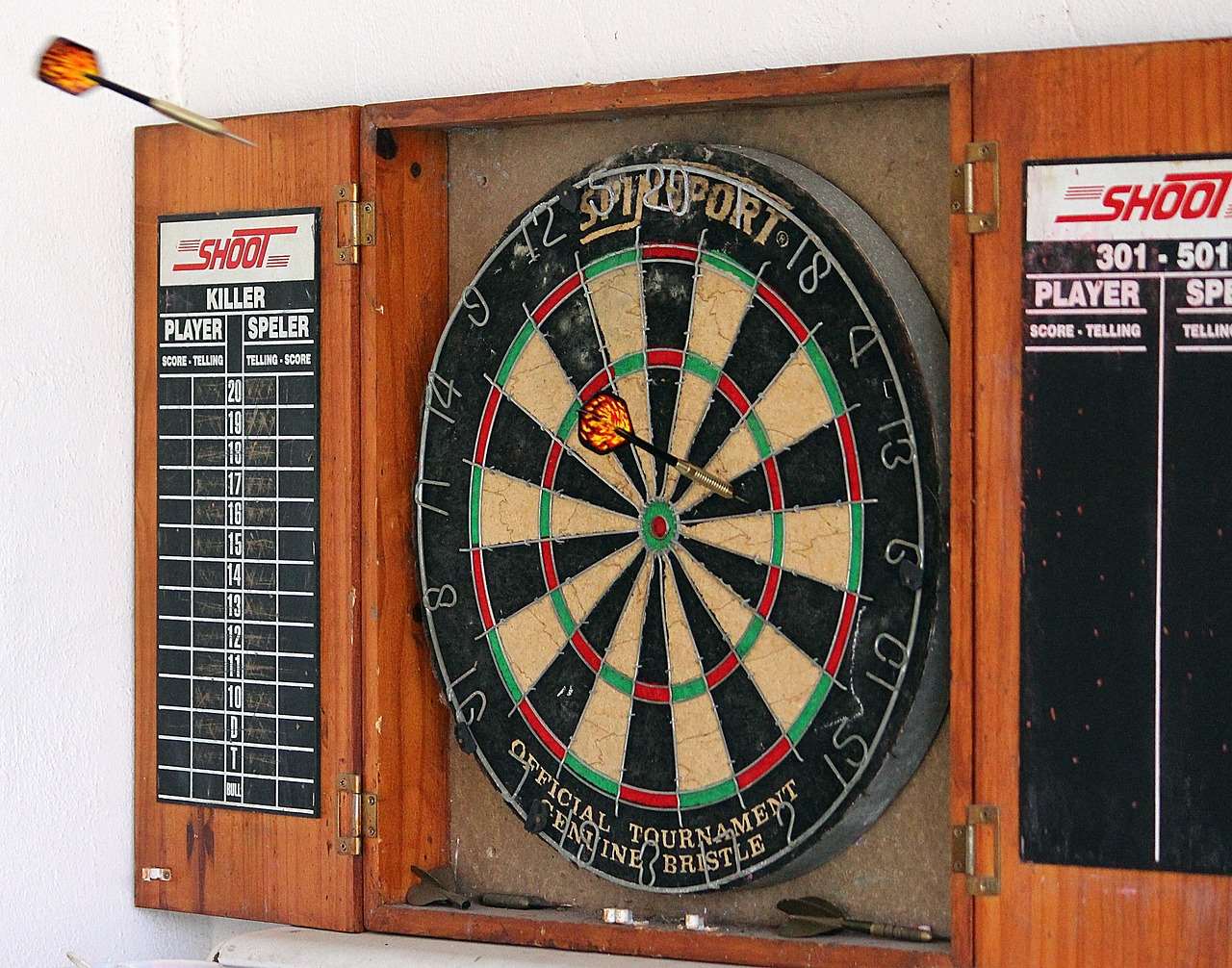
The most common alteration to **Halve It** involves tweaking the penalty for failing to hit the target. While the standard rule halves your score, alternative penalties can create a drastically different dynamic. Let’s explore some popular options:
- The Additive Penalty: Instead of halving, a fixed number of points (e.g., 10, 20, or 50) is deducted from your score for each missed target. This makes the game less punishing early on but can become crippling as the target numbers increase.
- The Incremental Penalty: The penalty increases with each consecutive miss. For example, the first miss might deduct 5 points, the second 10, the third 20, and so on. This version emphasizes accuracy and punishes prolonged slumps.
- The Percentage Penalty: Instead of a fixed amount, a percentage of your score is deducted (e.g., 25%, 33%, or 50%). This is similar to the standard rule but allows for more granular adjustments to the game’s difficulty.
- The “Targeted” Penalty: If you miss the target, you must hit a specific section of the board in your next turn (e.g., a single 20, the bullseye). Failure to do so results in another penalty (halving, fixed deduction, etc.). This adds an extra layer of skill and precision.
Choosing the right penalty structure depends on the desired level of difficulty and the skill level of the players. A more forgiving penalty is ideal for beginners, while experienced players might prefer a more challenging system. Consider trying several and see what works best for you.
Implementing Target Number Variations
Beyond penalty structures, altering the target numbers themselves can significantly impact the gameplay of **alternate penalty Halve It rules game**. Here are some ways to spice things up:
- Random Target Selection: Instead of predetermined targets, draw numbers randomly from a hat or use a random number generator. This forces players to adapt and prevents them from relying on memorized strategies.
- Player-Chosen Targets: Each player gets to choose the target number for one or more rounds. This adds a strategic element of offense and defense, as players can select numbers that are challenging for their opponents.
- Increasing Difficulty: The target numbers become progressively more difficult throughout the game. This can be achieved by starting with low numbers (e.g., 1-10) and gradually increasing to higher ones (e.g., 10-20, then 20-bullseye).
- Themed Targets: Assign target numbers based on a theme (e.g., only even numbers, only prime numbers, numbers related to a specific date or event).
These target variations can be combined with any of the alternative penalty structures discussed earlier, creating countless possibilities for customizing your **Halve It** experience.
Strategic Adjustments for Different Alternate Penalty Halve It rules game Variations

Adapting your strategy is key to succeeding in any **alternate penalty Halve It rules game** variation. The optimal approach differs significantly depending on the specific rules in play. Here are some general guidelines:
- Additive Penalty Strategies: With a fixed deduction, consistency is crucial. Avoid taking unnecessary risks early on, as even small misses can accumulate. Focus on hitting the target number accurately, even if it means sacrificing maximum score potential.
- Incremental Penalty Strategies: This penalty type demands near-perfect accuracy. If you miss the target once, prioritize hitting it on your next turn to avoid the escalating penalty. Consider practicing specific target combinations to improve your consistency.
- Percentage Penalty Strategies: This is similar to the standard **Halve It** strategy, but the percentage adjustment influences risk assessment. With a smaller percentage, be slightly more aggressive to build a lead. With a larger percentage, play more conservatively and avoid risky shots.
- Targeted Penalty Strategies: This variation requires mastery of all areas of the dartboard. Practice hitting specific sections under pressure, as you might be forced to aim for a less familiar target after a miss.
Remember that careful calculation and risk assessment are vital in all **Halve It** variations. Always weigh the potential reward against the risk of missing the target and incurring the penalty.
The Psychological Game: Managing Pressure and Staying Focused
**Halve It**, in all its forms, is as much a mental game as it is a physical one. The pressure of potentially losing half your score (or incurring another penalty) can be overwhelming, leading to mistakes and frustration. Here are some tips for managing pressure and staying focused:
- Develop a Pre-Throw Routine: Establish a consistent routine before each throw to help you relax and focus. This could involve taking a deep breath, visualizing the target, or performing a small physical movement.
- Practice Under Pressure: Simulate game-like conditions in your practice sessions. This could involve setting time limits, playing against an opponent, or imposing artificial penalties for mistakes.
- Stay Positive: Even if you miss the target and incur a penalty, don’t let it get you down. Focus on your next throw and try to stay positive. Remember that everyone makes mistakes, and the key is to learn from them and move on.
- Visualize Success: Before each throw, visualize yourself hitting the target. This can help boost your confidence and improve your accuracy.
Tools and Resources for Mastering Alternate penalty Halve It rules game

Improving your **Halve It** game, regardless of the penalty variations, requires dedication and the right tools. Consider these resources to enhance your skills:
- Dartboard and Darts: Invest in a high-quality dartboard and a set of darts that suit your throwing style.
- Practice Software: Dart practice software can provide valuable feedback on your accuracy and consistency. Some programs even simulate game scenarios to help you practice under pressure.
- Online Resources: Numerous websites and forums offer tips, strategies, and tutorials on dart throwing techniques and **Halve It** variations.
- Coaching: If you’re serious about improving your game, consider seeking guidance from a qualified darts coach.
Remember that consistent practice and a willingness to learn are essential for mastering any darts game.
Combining Alternate Penalties with Team Play in Halve It
**Halve It** isn’t just a solo affair; it can be adapted for team play, adding another layer of complexity and excitement. When combining alternate penalty structures with team play, the strategic considerations multiply. For instance, teams can pool their scores, and the penalty applies to the team’s total score. This requires careful coordination and communication among team members. Alternatively, teams could alternate throws, and the penalty impacts the individual player who missed the target. This fosters a sense of individual accountability within the team. Thinking about your team strategy is key when playing in team. You can also explore Batsman bowler roles English Cricket and adapt your thinking.
The Future of Halve It: Innovation and Customization
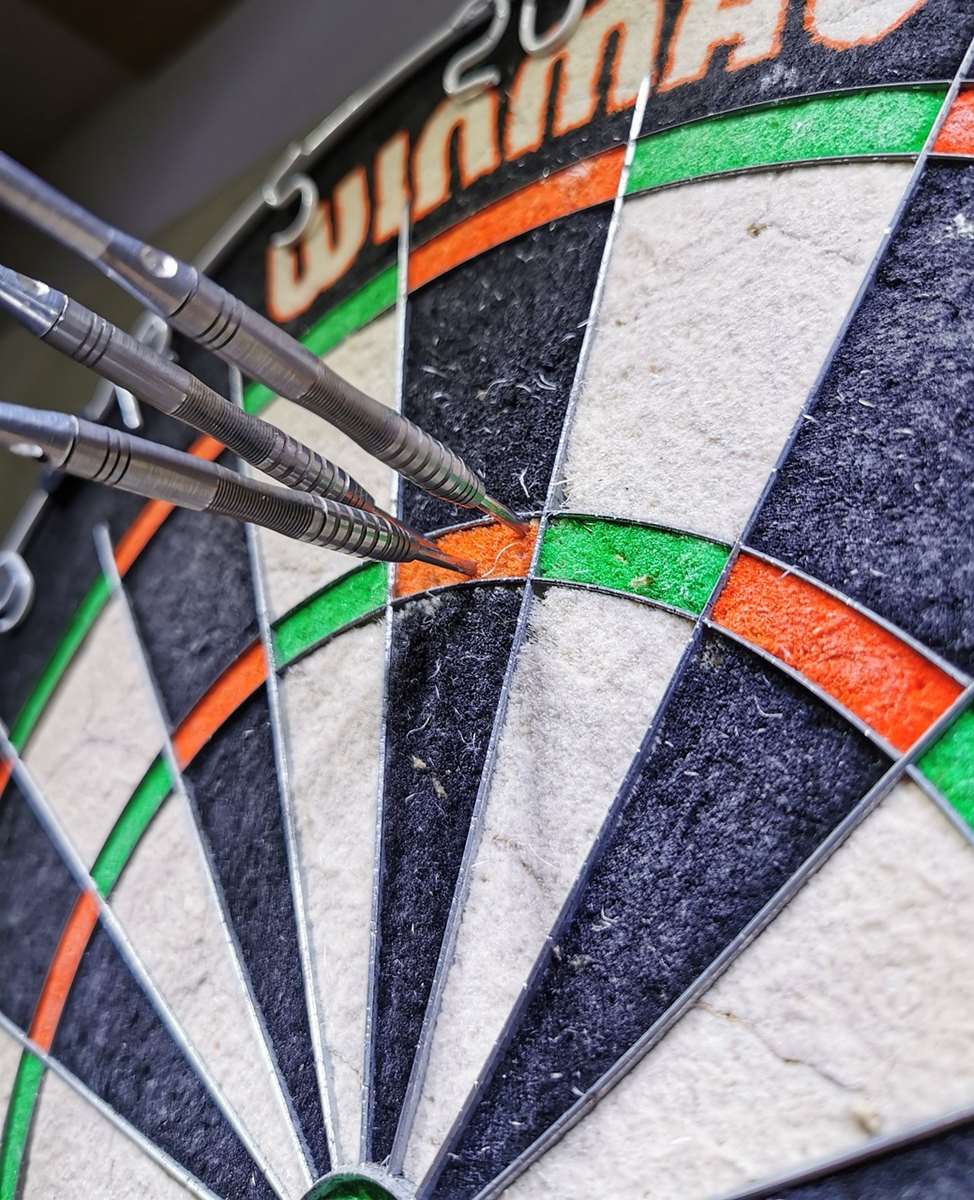
The beauty of **Halve It**, particularly concerning the **alternate penalty Halve It rules game**, lies in its potential for innovation and customization. As players continue to experiment with different rules and variations, new and exciting ways to play are constantly emerging. The future of **Halve It** is likely to involve even more customization options, allowing players to tailor the game to their specific preferences and skill levels. Online platforms and mobile apps could also play a role, providing tools for tracking scores, managing rules, and connecting with other players. The possibilities are endless, and the only limit is our imagination.
Beyond Halve It: Exploring Other Darts Games
While **Halve It** and its variations offer a unique and challenging experience, the world of darts games is vast and diverse. Exploring other games can help you broaden your skills and appreciation for the sport. Games like **Around the Clock**, **Cricket**, and **201/301/501** offer different strategic challenges and require different skill sets. Experimenting with different games can also help you identify your strengths and weaknesses as a dart player. Understanding other games is a useful skill. To continue your darts journey, learn Scoring runs English Cricket darts, and see what strategies you could incorporate into your games.
Refining Your Darts Technique for Halve It Mastery

Regardless of the specific **alternate penalty Halve It rules game** variation you’re playing, a solid foundation in dart throwing technique is essential for success. This includes mastering your stance, grip, throw, and follow-through. Here are some key elements to focus on:
- Stance: Find a stance that feels comfortable and stable. Most players stand with one foot forward and slightly angled towards the dartboard.
- Grip: Experiment with different grips to find one that provides optimal control and release.
- Throw: Aim for a smooth, consistent throwing motion. Avoid jerking or snapping your wrist.
- Follow-Through: Extend your arm fully towards the target after releasing the dart. This helps maintain accuracy and consistency.
Practice each of these elements individually and then combine them into a fluid, coordinated motion. Regular practice and feedback are essential for refining your technique and improving your overall accuracy. Remember Taking wickets English Cricket darts is important, but mastering the basics will serve you much better.
Conclusion: Embrace the Challenge of Alternate penalty Halve It rules game
**Alternate penalty Halve It rules game** offers a refreshing twist on a classic darts game, providing endless opportunities for customization and strategic gameplay. By understanding the different penalty structures, target number variations, and strategic adjustments, you can elevate your **Halve It** game to new heights. Remember to manage pressure, stay focused, and continuously refine your technique. So, gather your friends, experiment with different variations, and embrace the challenge of **Halve It**. Ready to put your knowledge to the test? Head to your nearest dartboard and start playing!

Hi, I’m Dieter, and I created Dartcounter (Dartcounterapp.com). My motivation wasn’t being a darts expert – quite the opposite! When I first started playing, I loved the game but found keeping accurate scores and tracking stats difficult and distracting.
I figured I couldn’t be the only one struggling with this. So, I decided to build a solution: an easy-to-use application that everyone, no matter their experience level, could use to manage scoring effortlessly.
My goal for Dartcounter was simple: let the app handle the numbers – the scoring, the averages, the stats, even checkout suggestions – so players could focus purely on their throw and enjoying the game. It began as a way to solve my own beginner’s problem, and I’m thrilled it has grown into a helpful tool for the wider darts community.