Tired of the same old bullseye scoring? Let’s explore **alternate bullseye scoring ideas** to inject some fresh excitement into your dart games, enhancing both the challenge and the fun. This article will delve into various creative approaches, modifying points, target areas, and gameplay to offer unique experiences for dart players of all skill levels.
⚠️ Still Using Pen & Paper (or a Chalkboard)?! ⚠️
Step into the future! The Dart Counter App handles all the scoring, suggests checkouts, and tracks your stats automatically. It's easier than you think!
Try the Smart Dart Counter App FREE!Ready for an upgrade? Click above!
Beyond the 50: Exploring Alternate Bullseye Scoring Ideas
The traditional dartboard setup is iconic, but sometimes, a change is needed to reignite the competitive spark. Exploring **alternate bullseye scoring ideas** opens a world of possibilities, making games more strategic, unpredictable, and ultimately, more enjoyable. These alternative approaches can cater to different skill levels, add a twist to familiar formats, and introduce new challenges for seasoned players. We’ll consider various methods for altering the bullseye’s value and functionality.
The All-or-Nothing Bullseye
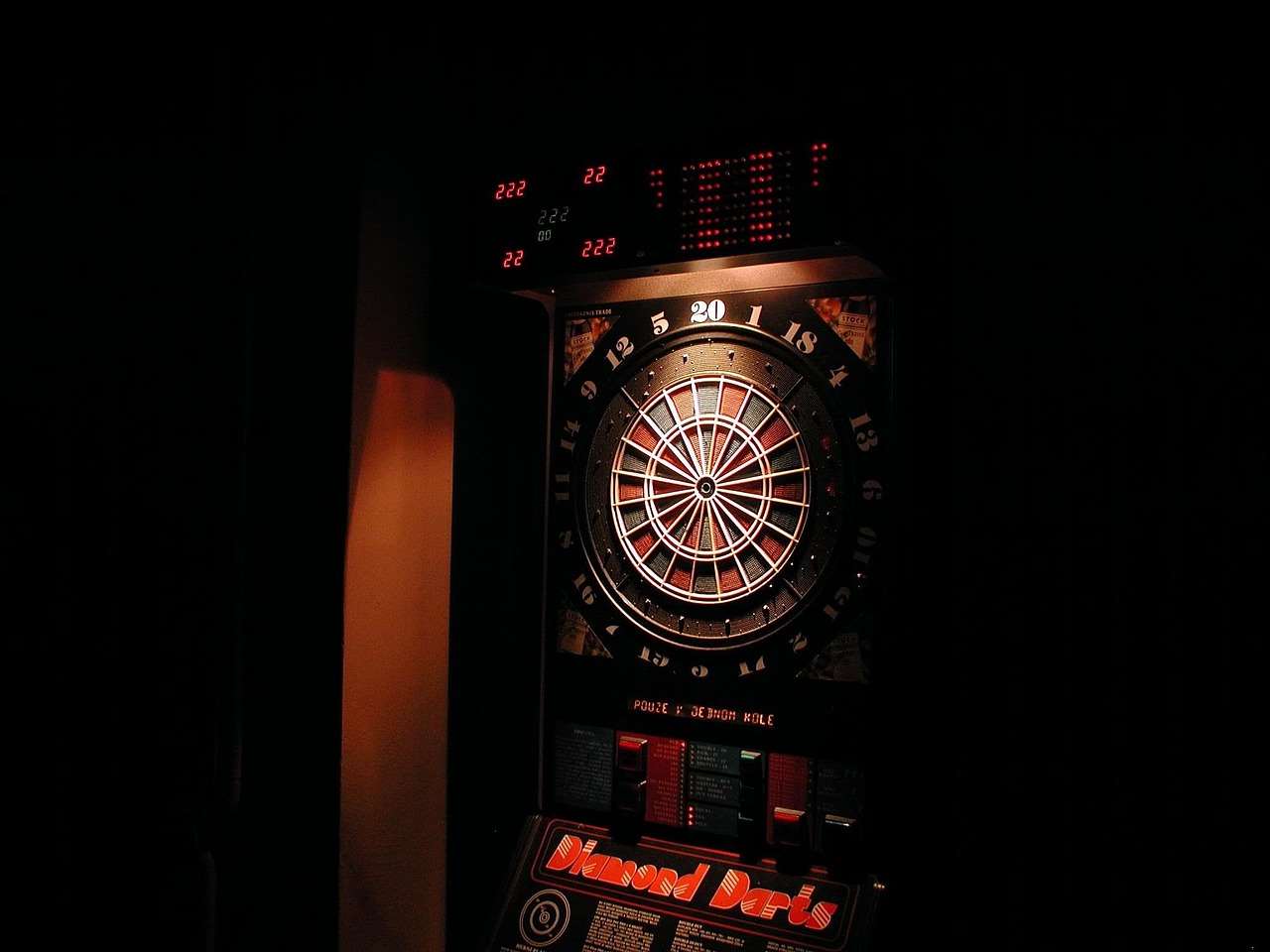
One simple, yet impactful change is the “all-or-nothing” bullseye rule. In this variation, you only score points if you hit the inner bull (the double bull, usually worth 50 points). Hitting the outer bull (single bull, typically 25 points) results in no score at all. This immediately increases the pressure and emphasizes precision. It can be particularly effective in games like 501, where strategic aiming becomes paramount. This variation can add a great level of competitiveness to the game.
This rule also forces players to reconsider their throwing strategy. Are they consistently hitting the outer bull, but struggling with the inner? It might be time to adjust their stance, grip, or throw to improve accuracy. The all-or-nothing bullseye serves as a valuable feedback mechanism, pushing players to refine their technique. Remember to always practice Basic Darts Fundamentals for Beginners.
Bullseye Countdown
Introduce a countdown element to your bullseye scoring. For example, start with the standard 50 points for the inner bull and 25 for the outer. Each time a player hits the bullseye (either inner or outer), the score decreases by 5 or 10 points for the subsequent hit. This continues until the bullseye is worth zero. This encourages a streak of bullseye hits early in the game and adds a layer of tactical decision-making as the value diminishes.
The **bullseye countdown** can be integrated into various dart games. Consider using it within a round-the-clock format, where players must hit each number on the board in order, followed by the bullseye. As the bullseye value decreases, players need to decide whether to prioritize it or focus on completing the remaining numbers. This is a fun dart game variation that mixes accuracy with strategic planning.
Modifying Bullseye Target Area for Unique Gameplay
Beyond changing the points awarded, **alternate bullseye scoring ideas** can also revolve around physically or mentally modifying the target area itself. This can be achieved through different visual aids or by introducing rules that effectively alter how the bullseye is perceived.
The Shrinking Bullseye
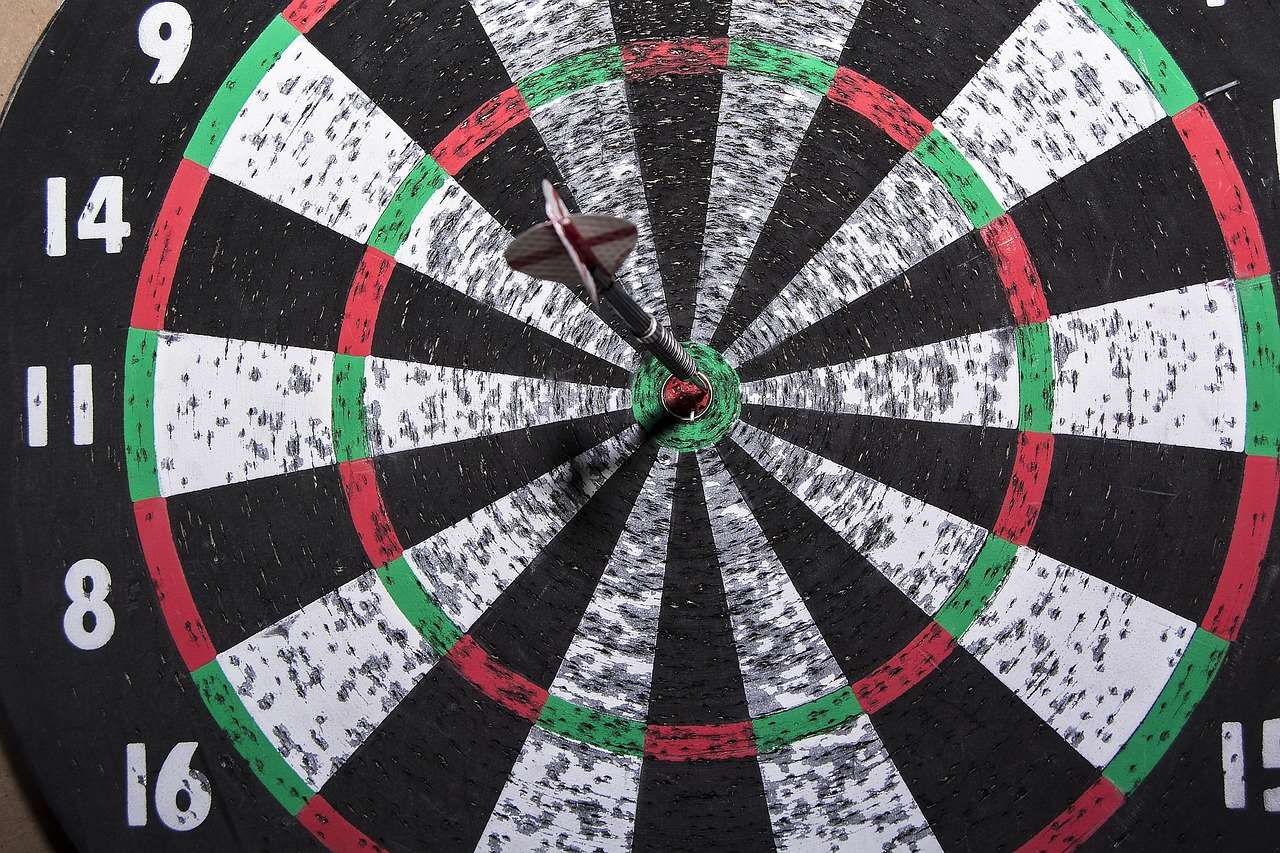
For an advanced challenge, consider the shrinking bullseye. At the start of the game, the standard bullseye scoring applies (50 for the inner, 25 for the outer). However, after a predetermined number of rounds or after each player hits the bullseye a certain number of times, the effective bullseye target area shrinks. This can be simulated by mentally focusing on a smaller and smaller area within the bullseye.
To implement this, you can use visual aids such as smaller concentric circles drawn (or imagined) within the bullseye, each representing a decreasing point value. Alternatively, you can simply announce that the inner bull is now worth 75 points, but the outer bull becomes progressively harder to hit because it is considered a miss. This requires intense focus and precision as the game progresses and provides a significant challenge for experienced players.
The Bullseye Border
Create a “bullseye border” by defining a narrow ring around the outer bullseye. If a dart lands within this border, it results in a specific consequence, such as losing a turn, deducting points, or even switching scores with your opponent. The bullseye border adds an element of risk and reward. Players must carefully consider whether the potential high score is worth the risk of hitting the border and suffering the penalty. This introduces strategic elements to the game.
The exact consequences of hitting the bullseye border can be tailored to suit your preferences. You could even create a “wheel of misfortune” with different penalties listed, adding an element of randomness and unpredictability. Such variations can add fun to creative dart rules for parties and social gatherings.
The Designated Bullseye Throw
In this variation, each player is required to dedicate a specific number of throws during the game exclusively to the bullseye. These throws are marked differently and scored with modified rules. For instance, a bullseye hit with a designated throw could be worth double the points, or it could trigger a special event in the game, such as stealing points from another player or earning a bonus round. This adds strategy and requires players to carefully choose when to use their designated bullseye throws.
To make the game even more interesting, you can introduce limitations on the designated throws. For example, players might only be allowed to use them at specific times or under certain circumstances. This forces them to think strategically about when to deploy their designated bullseye throws for maximum impact.
Scoring Multipliers and Bullseye Combinations
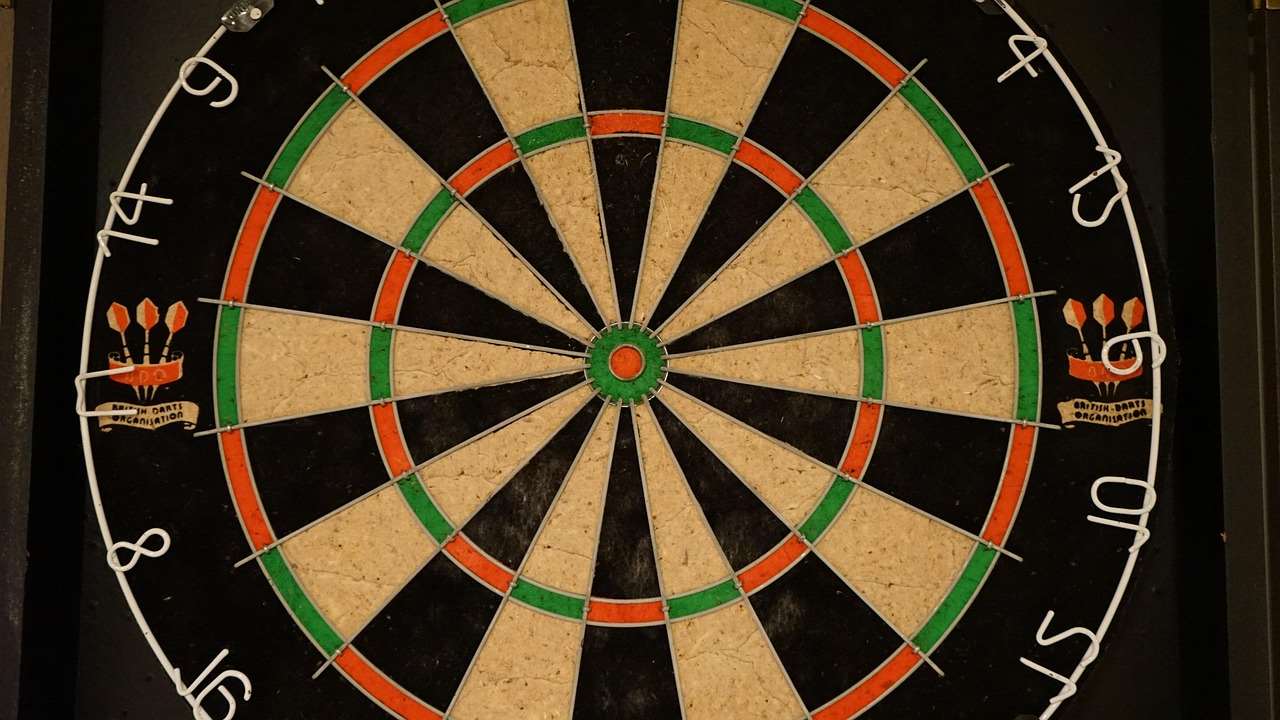
Further expanding on **alternate bullseye scoring ideas**, we can explore incorporating scoring multipliers and combining the bullseye with other sections of the board to create unique scoring opportunities.
The Bullseye Multiplier
Introduce a multiplier that is activated by hitting the bullseye. For example, if a player hits the inner bull, their next throw’s score is doubled, or even tripled. This encourages aggressive bullseye attempts and creates the potential for huge scoring bursts. The multiplier can be active for one throw, one round, or even until another player hits the bullseye, adding a competitive element to controlling the multiplier.
Consider limiting the multiplier to specific sections of the dartboard to create an even more strategic challenge. For example, the multiplier might only apply to the triple ring, encouraging players to aim for both the bullseye and the triple for maximum points.
Bullseye + Number Combination
Create specific scoring combinations involving the bullseye and other numbers on the board. For example, hitting the bullseye followed by the number 20 in the same round could award a bonus of 100 points. These combinations add another layer of complexity to the game and reward strategic aiming and consistent throwing. You can adjust the difficulty and bonus amounts to suit different skill levels.
To make it more challenging, you could specify that the number 20 must be hit in a specific ring (single, double, or triple) to qualify for the bonus. This requires even greater precision and makes the combination much harder to achieve.
Progressive Bullseye Jackpot
Start a game with a small jackpot associated with hitting the bullseye. If no one hits the bullseye in the first round, the jackpot increases by a predetermined amount. This continues until someone finally hits the bullseye and claims the jackpot. This creates a sense of anticipation and excitement as the jackpot grows, encouraging players to aggressively target the bullseye. This would make an adaptation of the Simplified 501 game rules for novice players even more exciting.
You can add further layers of complexity by introducing different jackpot tiers for hitting the inner and outer bull. The inner bull could award a larger jackpot than the outer bull, further incentivizing accurate throwing.
Bullseye Handicaps and Skill-Based Scoring
To level the playing field and cater to players of varying skill levels, consider implementing **alternate bullseye scoring ideas** that incorporate handicaps or skill-based scoring systems.
The Handicap Bullseye
Assign different bullseye values based on each player’s skill level. Less experienced players might receive a higher score for hitting the bullseye, while more experienced players receive a lower score or face stricter rules. This allows players of different abilities to compete fairly and keeps the game engaging for everyone involved. To learn how to make darts fairer with handicap rules, do some more research.
The handicap can be adjusted dynamically based on each player’s performance throughout the game. If a less experienced player starts performing well, their bullseye value can be reduced to keep the challenge balanced. Similarly, if an experienced player is struggling, their bullseye value can be increased to give them a boost.
The Skill-Shot Bullseye
Award bonus points for hitting the bullseye with a specific type of throw, such as throwing with your non-dominant hand or throwing from a more difficult stance. This rewards skill and creativity, encouraging players to experiment with different throwing techniques. The difficulty and bonus amounts can be adjusted to suit different skill levels.
You could even create a series of skill-shot challenges that players must complete to earn bonus points. These challenges could involve hitting the bullseye while standing on one leg, throwing the dart backwards, or hitting the bullseye while blindfolded (with appropriate safety precautions, of course!).
Distance-Based Bullseye
Alter the throwing distance to change the difficulty of hitting the bullseye. Allow less experienced players to throw from a shorter distance, while requiring more experienced players to throw from a longer distance. This automatically adjusts the difficulty based on skill level, making the game fairer and more engaging for everyone involved. Remember to always measure distances precisely to ensure consistency.
Combining Rules and Creating Unique Games
The best way to discover truly unique **alternate bullseye scoring ideas** is to combine the above approaches or create entirely new games centered around the bullseye. Here are a few examples:
- The Bullseye Blitz: A fast-paced game where players have a limited number of throws to score as many points as possible by hitting the bullseye under various modified rules.
- The Bullseye Challenge: A series of challenges where players must hit the bullseye under progressively more difficult conditions to earn points or prizes.
- The Bullseye Auction: Players bid on the opportunity to throw at the bullseye under specific conditions, such as with a multiplier or a designated throw.
By experimenting with different scoring systems, target area modifications, handicaps, and game formats, you can create endless variations that will keep your dart games fresh and exciting. Embrace the creativity and tailor the rules to suit your group’s preferences and skill levels. When adapting for beginner players, remember that you can be adapting darts rules for beginners.
Conclusion
Exploring **alternate bullseye scoring ideas** breathes new life into the game of darts, offering a diverse range of challenges and exciting possibilities. From simple modifications like the “all-or-nothing” bullseye to complex combinations involving multipliers and handicaps, there’s an alternative scoring system to suit every player and skill level. By experimenting with these approaches, you can create unique and engaging dart games that will keep you and your friends entertained for hours. So, gather your darts, embrace the creativity, and discover the joy of alternate bullseye scoring! Ready to take your dart game to the next level? Share these creative ideas with your friends and start experimenting today!

Hi, I’m Dieter, and I created Dartcounter (Dartcounterapp.com). My motivation wasn’t being a darts expert – quite the opposite! When I first started playing, I loved the game but found keeping accurate scores and tracking stats difficult and distracting.
I figured I couldn’t be the only one struggling with this. So, I decided to build a solution: an easy-to-use application that everyone, no matter their experience level, could use to manage scoring effortlessly.
My goal for Dartcounter was simple: let the app handle the numbers – the scoring, the averages, the stats, even checkout suggestions – so players could focus purely on their throw and enjoying the game. It began as a way to solve my own beginner’s problem, and I’m thrilled it has grown into a helpful tool for the wider darts community.