To effectively introduce new players to ‘Halve It,’ or to keep seasoned players engaged, adapting Halve It skill levels play is critical. This article explores various strategies to modify the game, ensuring fun and challenge for everyone from beginners to advanced dart throwers, covering variations in target numbers, penalty structures, and team play modifications.
⚠️ Still Using Pen & Paper (or a Chalkboard)?! ⚠️
Step into the future! The Dart Counter App handles all the scoring, suggests checkouts, and tracks your stats automatically. It's easier than you think!
Try the Smart Dart Counter App FREE!Ready for an upgrade? Click above!
Why Is Adapting Halve It Skill Levels Play Important?
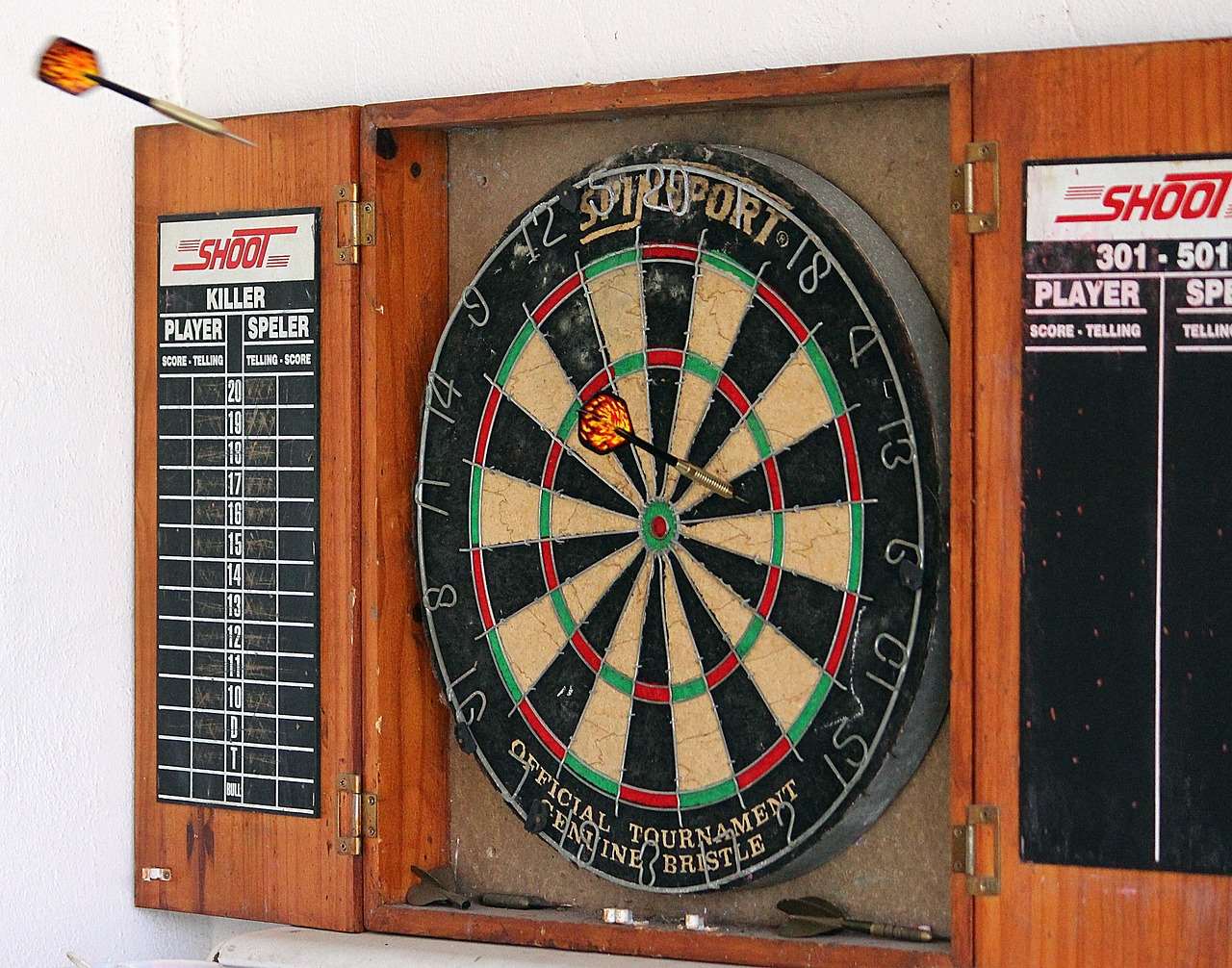
The game of Halve It, in its standard form, can quickly become frustrating for novice players while also losing its luster for experienced dart enthusiasts. The inherent challenge – accumulating the highest score while needing to hit specific numbers – demands a certain level of accuracy and strategy. For beginners, the pressure of ‘halving’ their score after a miss can be demoralizing, leading to disinterest. Conversely, advanced players might find the standard rules predictable and less stimulating. Therefore, adapting Halve It skill levels play allows for a more enjoyable and competitive experience for all participants. This ensures the game remains a fun and engaging activity, regardless of skill level. There are several ways to adjust for different skill sets. These can include adjusting which numbers are used, allowing for a ‘mulligan’ throw or using a points handicap.
Benefits of Tailoring Halve It
- Increased Engagement: Players are more likely to stay involved when the game presents a suitable challenge.
- Faster Skill Development: Modified rules can encourage players to focus on specific areas of their dart game.
- Greater Enjoyment: Customizing the game creates a more positive and enjoyable experience for everyone.
- Enhanced Competition: Balanced skill levels lead to closer and more exciting matches.
Adapting Halve It for Beginners
Introducing new players to Halve It requires a gentle approach to prevent discouragement. Simple modifications can significantly ease the learning curve.
Strategies for Novice Players
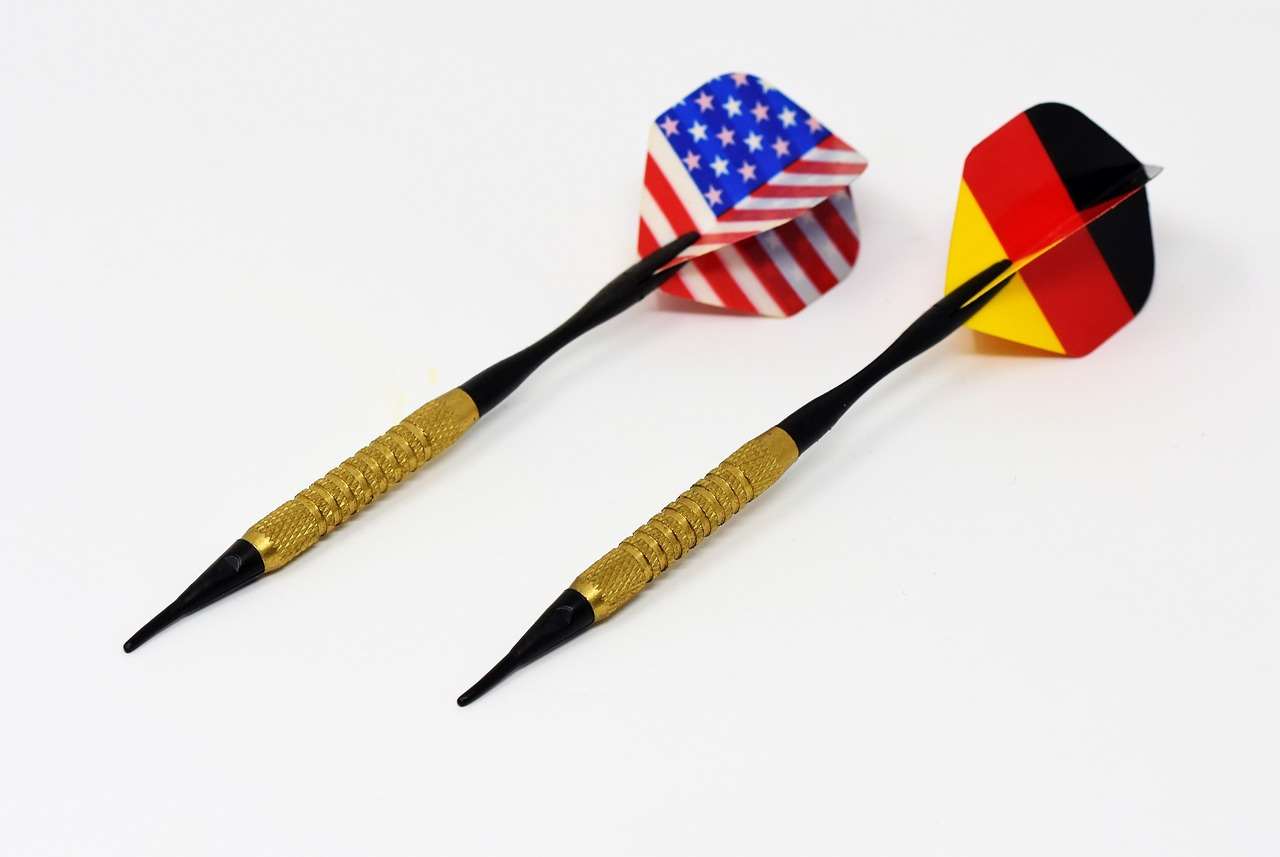
- Reduced Target Numbers: Start with fewer target numbers, focusing on larger, easier-to-hit segments of the dartboard (e.g., 20, 15, and bullseye). This simplifies the game and provides more opportunities for success.
- Simplified Penalty Structure: Instead of halving the score, reduce it by a smaller percentage (e.g., 25% or 10%) for a missed target. You could even allow one ‘miss’ per target number without penalty.
- Team Play with Guidance: Pair a beginner with a more experienced player in a team format. The experienced player can offer advice and support, creating a more relaxed and educational environment.
- Target Assist: Use a larger target or a softer dartboard, allowing for more forgiveness with less-accurate throws. Consider allowing players to stand closer to the board.
- ‘Mulligan’ Throws: Grant each player one “mulligan” throw per round, allowing them to re-throw a dart they are unhappy with.
Adapting Halve It for Intermediate Players
Once players have grasped the basics of Halve It, it’s time to introduce more challenging elements to maintain their interest and encourage further improvement. These modifications can refine their strategy and accuracy.
Increasing the Complexity
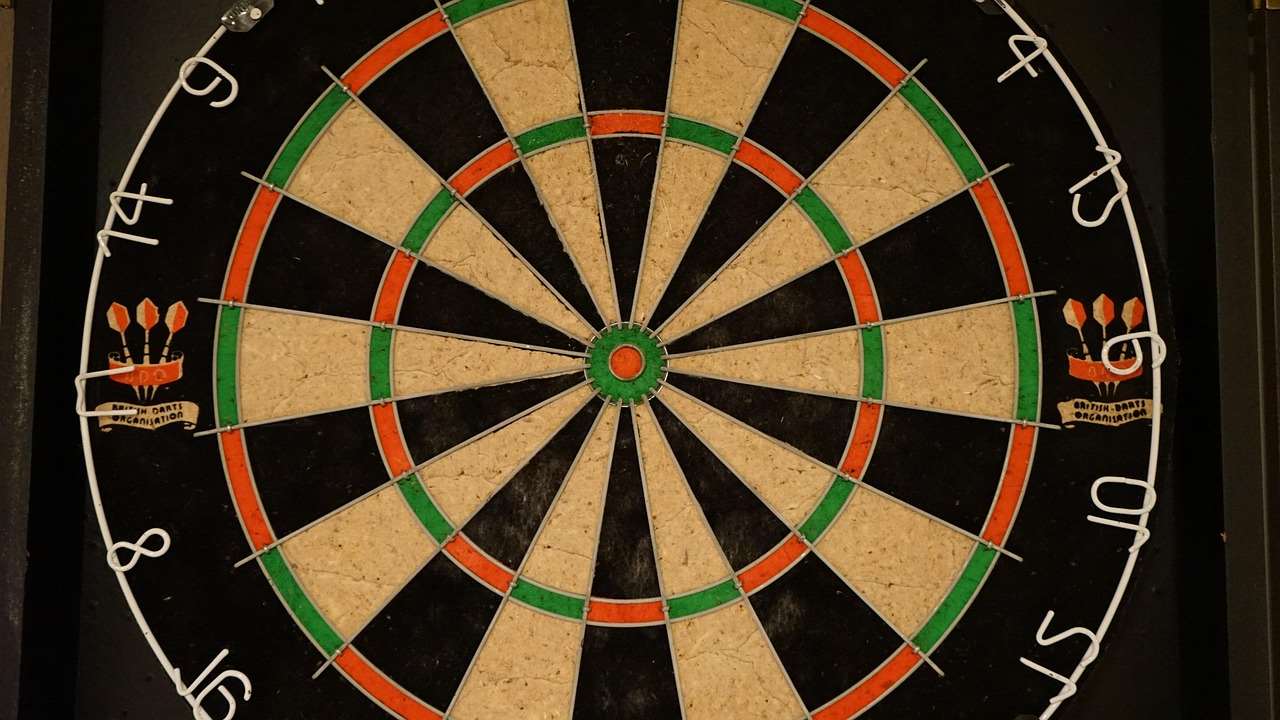
- Expanded Target Numbers: Gradually increase the number of target numbers, including smaller or less frequently targeted segments (e.g., 19, 16, doubles, and triples).
- Varying Penalty Structures: Introduce different penalty levels based on the number of consecutive misses. For example, the first miss results in a 25% reduction, the second a 50% reduction, and the third a complete halving.
- Handicap System: Implement a handicap system based on previous performance. Stronger players start with a lower initial score, while weaker players receive a starting bonus.
- Adding Challenges: For example, you could specify that a certain number be hit only in the treble, or on the outside of the board.
- Target Specific Segments: Instead of just the number, specify a segment (single, double, or triple) for each target number. This requires greater precision and accuracy.
Adapting Halve It for Advanced Players
For seasoned dart players, Halve It needs to offer a significant challenge to remain engaging. Pushing their limits and introducing elements of unpredictability are key.
Strategies for Experienced Dart Throwers
- Randomized Target Numbers: Use a random number generator or a deck of cards to determine the target numbers for each round. This eliminates predictability and forces players to adapt quickly.
- Dynamic Penalty System: Implement a penalty system that changes with each round. This could involve doubling the penalty for certain targets or introducing bonus points for hitting specific segments.
- Restricted Throwing Positions: Require players to throw from different distances or angles, adding a layer of difficulty.
- Adding External Constraints: Introduce distractions or time limits to further challenge focus and accuracy.
- Focus on Weaker Areas: Make the target numbers predominantly ones the player tends to struggle with. This ensures they are forced to develop a specific part of their game.
Incorporating Team Play and Handicaps
Team play can add a social dimension to Halve It, while handicaps ensure fair competition among players of varying skill levels. Both elements contribute to a more inclusive and enjoyable experience. Adapting Halve It skill levels play can also be done through team play.
Team Variations
- Alternating Throws: Team members alternate throws, combining their scores and sharing the pressure of hitting target numbers.
- Combined Target Numbers: Each team is assigned a set of target numbers, and team members can strategize on who attempts which targets.
- Team Handicaps: Apply handicaps to entire teams based on the average skill level of their members.
Handicap Systems
- Score-Based Handicaps: Adjust starting scores or apply percentage bonuses based on previous performance.
- Target Number Handicaps: Assign easier target numbers to weaker players or remove difficult targets from their list.
- Throwing Order Handicaps: Allow weaker players to throw first, giving them an advantage in targeting specific segments.

Specific Game Rule Modifications
Beyond broad strategies, specific rule tweaks can significantly impact the difficulty and enjoyment of Halve It. Consider these options for fine-tuning the game to suit your players.
Fine-Tuning the Rules
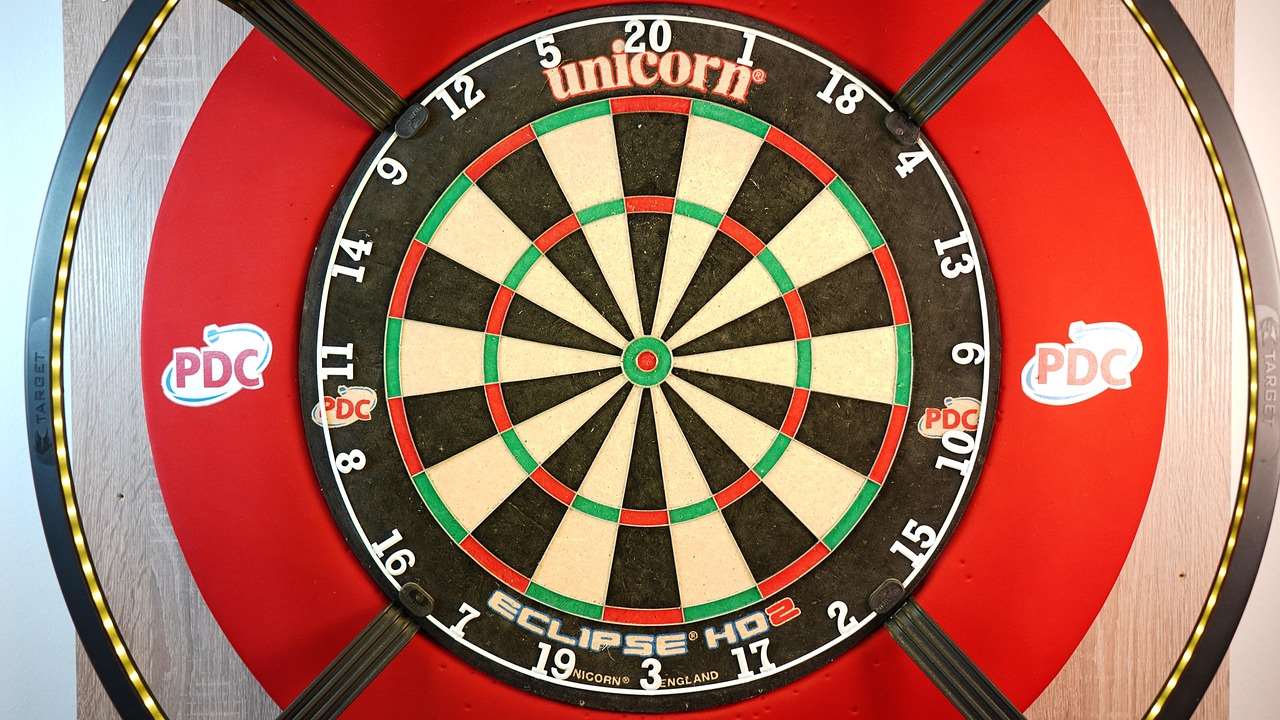
- Bullseye Variations: Assign different point values to the outer and inner bullseye rings. Or, specify that you must hit the inner bullseye.
- Double and Triple Restrictions: Limit or require the use of doubles and triples for specific target numbers. This is especially helpful when Darts Variants Fun Games.
- ‘Bust’ Rule: Implement a ‘bust’ rule where exceeding the target score resets the player’s score to zero, adding an element of risk and reward.
- Time Limits: Set time limits for each throw or each round, forcing players to make quick decisions and maintain focus.
Tracking Progress and Adjusting Adaptations
The key to successfully adapting Halve It lies in continuous monitoring and adjustment. Pay attention to player feedback and track performance to refine the game rules and ensure ongoing engagement. Using English Cricket darts rules can also give inspiration.
Monitoring and Evaluation
- Gather Player Feedback: Regularly solicit feedback from players about the difficulty, enjoyment, and fairness of the game.
- Track Scores and Statistics: Monitor player scores, accuracy, and consistency to identify areas for improvement and adjust handicaps accordingly.
- Observe Player Behavior: Pay attention to player body language and enthusiasm to gauge their engagement and identify potential issues.
- Be Flexible: Be prepared to adjust the rules and adaptations based on player feedback and performance data. The goal is to create a fun and challenging experience for everyone involved.
Conclusion
Adapting Halve It skill levels play is essential for creating an inclusive and engaging dart-playing experience. By tailoring the rules, target numbers, and penalty structures to suit different skill levels, you can ensure that everyone enjoys the game and has the opportunity to improve their dart-throwing abilities. Remember to continuously monitor player feedback and adjust your adaptations as needed to maintain a fun and challenging environment. So grab your darts, experiment with these strategies, and get ready to Halve It like never before! Now that you understand the variations, delve deeper into Scoring runs English Cricket darts and see how these tactics might work together. Consider trying out some of these strategies at your next darts night, and encourage others to share their own adaptations for Halve It.

Hi, I’m Dieter, and I created Dartcounter (Dartcounterapp.com). My motivation wasn’t being a darts expert – quite the opposite! When I first started playing, I loved the game but found keeping accurate scores and tracking stats difficult and distracting.
I figured I couldn’t be the only one struggling with this. So, I decided to build a solution: an easy-to-use application that everyone, no matter their experience level, could use to manage scoring effortlessly.
My goal for Dartcounter was simple: let the app handle the numbers – the scoring, the averages, the stats, even checkout suggestions – so players could focus purely on their throw and enjoying the game. It began as a way to solve my own beginner’s problem, and I’m thrilled it has grown into a helpful tool for the wider darts community.