Understanding the composition of your darts is crucial for consistent performance, and that’s why **95 Tungsten Darts Explained Detailed** is so important; they offer a distinct advantage due to their density and slim profile. This article will provide an in-depth exploration of what makes 95% tungsten darts a popular choice for serious dart players, covering their benefits, drawbacks, and how they compare to other dart materials.
⚠️ Still Using Pen & Paper (or a Chalkboard)?! ⚠️
Step into the future! The Dart Counter App handles all the scoring, suggests checkouts, and tracks your stats automatically. It's easier than you think!
Try the Smart Dart Counter App FREE!Ready for an upgrade? Click above!
What Makes 95 Tungsten Darts Special?
The “95” in **95 Tungsten Darts Explained Detailed** refers to the percentage of tungsten used in the dart barrel’s composition. The remaining 5% typically consists of nickel, iron, or other metals used as binders to hold the tungsten powder together. This high tungsten content directly translates to a significantly higher density compared to darts made from brass or other materials.
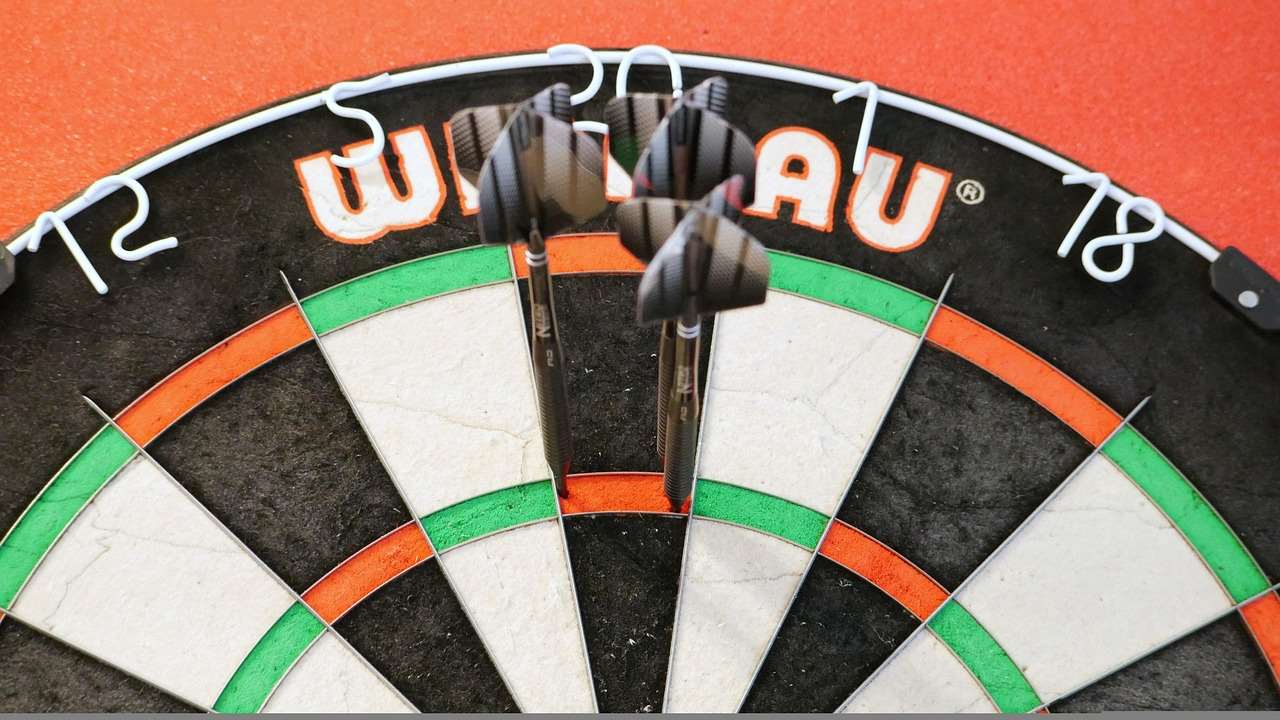
Density is the key benefit. A denser dart allows for a slimmer barrel design while maintaining the same weight as a bulkier, less dense dart. This slimmer profile provides several advantages:
- Tighter groupings: Slimmer barrels reduce the chances of darts colliding in the dartboard, allowing you to group your darts more closely together.
- Reduced deflections: A smaller barrel surface area means there’s less for incoming darts to hit, minimizing unwanted deflections.
- Increased scoring potential: Tighter groupings and fewer deflections ultimately lead to higher scores.
While the higher price point can be a deterrent, the performance benefits often outweigh the initial investment for serious players who want to Choose Best Dart Equipment.
The Composition: Delving Deeper into the 95%
Understanding the composition of 95% tungsten darts extends beyond just the numbers. The manufacturing process plays a significant role in the dart’s overall quality and performance. Tungsten powder is incredibly hard and requires specialized techniques to be formed into dart barrels. Here’s a closer look:
- Powder Metallurgy: This is the most common method. Tungsten powder is mixed with a binder material (usually nickel, iron, or copper), pressed into the desired shape under immense pressure, and then sintered (heated) to fuse the particles together.
- Tungsten Grade: The quality of the tungsten powder itself is crucial. Higher-grade tungsten will result in a denser and more durable dart.
- Binder Material: The type and amount of binder material used can affect the dart’s weight distribution and overall feel.
The specific manufacturing process used by different dart manufacturers can lead to subtle variations in the finished product, even when both are labeled as 95% tungsten. Therefore, it’s wise to research brands and read reviews to find darts that consistently deliver high quality and performance.
95 Tungsten Darts vs. Other Tungsten Percentages
While 95% tungsten is considered a high standard, darts are also available in lower tungsten percentages, such as 80%, 85%, and 90%. Understanding the differences is key to making an informed decision. Let’s examine how **95 Tungsten Darts Explained Detailed** stacks up against these alternatives:
- 80% Tungsten: More affordable but bulkier than 95% tungsten darts. The lower tungsten content means a larger barrel is needed to achieve the same weight, leading to increased deflections and less precise groupings.
- 85% & 90% Tungsten: Offer a middle ground between price and performance. They are slimmer than 80% tungsten darts but not as slim as 95% tungsten darts. A good option for players seeking a performance upgrade without the high cost of 95% tungsten.
Ultimately, the best tungsten percentage for you depends on your budget, skill level, and personal preferences. However, the higher density and slimmer profile of 95% tungsten darts generally provide a noticeable advantage for serious players looking to improve their accuracy and consistency. If you want to learn more about Tungsten Percentage Explained Darts, there are many helpful resources available.
The Grip Factor: Texture and Feel of 95 Tungsten Darts
Beyond the material composition, the grip of a dart barrel is a critical element influencing your throwing consistency. **95 Tungsten Darts Explained Detailed** often come in a wide variety of grip styles, allowing players to find the perfect feel for their individual throwing techniques.
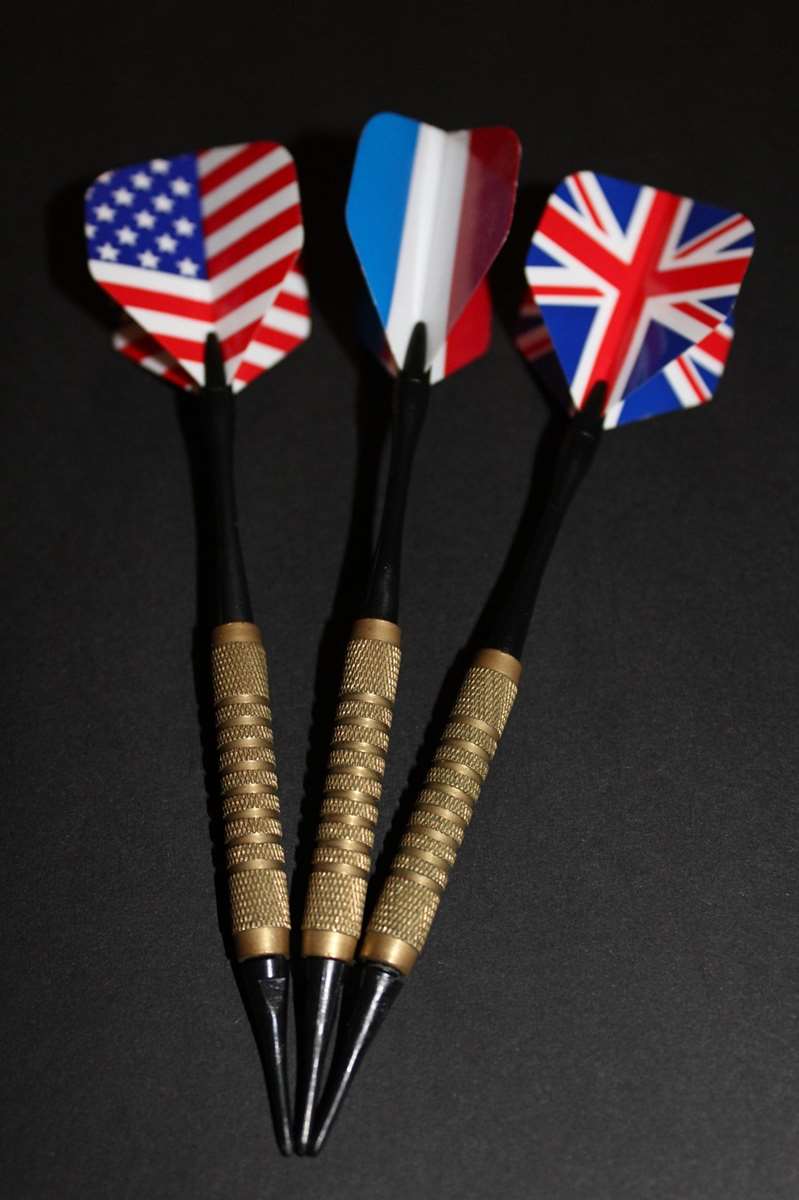
Here are some common grip types found on 95% tungsten darts:
- Ringed Grip: Consists of raised rings along the barrel, providing a consistent and secure grip.
- Knurled Grip: Features a textured surface created by small, diamond-shaped cuts. Offers excellent grip but can be abrasive.
- Smooth Grip: Minimal texture, ideal for players who prefer a light touch and a clean release.
- Combination Grips: Incorporate a combination of different textures, such as rings and knurling, to provide varied levels of grip in different areas of the barrel.
Experimenting with different grip styles is essential to find what works best for you. Some players prefer a very aggressive grip, while others prefer a more subtle feel. Visit a local dart shop to try out different dart barrels and see which grip style feels most comfortable and natural in your hand.
Weight and Balance: Finding the Right 95 Tungsten Darts for You
The weight and balance of your darts significantly impact your throwing motion and accuracy. Most 95% tungsten darts are available in a range of weights, typically from 20 grams to 26 grams. The ideal weight depends on your throwing style and personal preference.
Here are some general guidelines:
- Lighter Darts (20-22 grams): Suitable for players with a faster, more wrist-oriented throwing motion.
- Medium Darts (23-24 grams): A good starting point for most players, offering a balance of control and power.
- Heavier Darts (25-26 grams): Ideal for players with a slower, more arm-driven throwing motion.
Balance refers to the distribution of weight along the dart barrel. Darts can be front-weighted, center-weighted, or rear-weighted. Front-weighted darts tend to fly straighter, while rear-weighted darts can be easier to control. Experimenting with different weights and balance points is crucial for finding the perfect dart for your individual throwing style. You may want to consider if you should Why Choose High Tungsten Darts.
Durability and Maintenance of 95 Tungsten Darts
While **95 Tungsten Darts Explained Detailed** are known for their density and durability, they still require proper care and maintenance to ensure optimal performance and longevity. Tungsten itself is a very hard metal, but the binder material used in the alloy can be susceptible to wear and tear.
Here are some tips for maintaining your 95% tungsten darts:
- Regular Cleaning: Clean your darts regularly with a soft cloth to remove dirt, oil, and debris. This will help maintain the grip and prevent corrosion.
- Point Sharpening: Sharpen your dart points regularly to ensure they stick properly in the dartboard. A dull point can lead to bounce-outs.
- Flight Replacement: Replace your dart flights when they become damaged or worn. Damaged flights can affect the dart’s flight path and accuracy.
- Storage: Store your darts in a case or container to protect them from damage when not in use.
By following these simple maintenance tips, you can keep your 95% tungsten darts in top condition and enjoy their performance benefits for years to come.
The Cost Factor: Are 95 Tungsten Darts Worth the Investment?
One of the main considerations when purchasing 95% tungsten darts is the cost. They are typically more expensive than darts made from other materials, such as brass or nickel silver. However, the performance benefits often justify the investment for serious dart players.
Here’s a breakdown of the cost factors:
- Material Cost: Tungsten is a relatively expensive metal, which contributes to the higher price of 95% tungsten darts.
- Manufacturing Process: The specialized manufacturing process required to form tungsten darts also adds to the cost.
- Brand and Quality: Reputable brands with high-quality manufacturing processes tend to charge more for their 95% tungsten darts.

Ultimately, the decision of whether or not to invest in 95% tungsten darts depends on your individual budget and goals. If you’re a casual player who only plays occasionally, a cheaper set of brass darts may suffice. However, if you’re a serious player looking to improve your accuracy and consistency, the performance benefits of 95% tungsten darts can be well worth the investment. Take the time to review the Brass vs Tungsten Darts Comparison before making a final decision.
Accessorizing Your 95 Tungsten Darts: Stems, Flights, and More
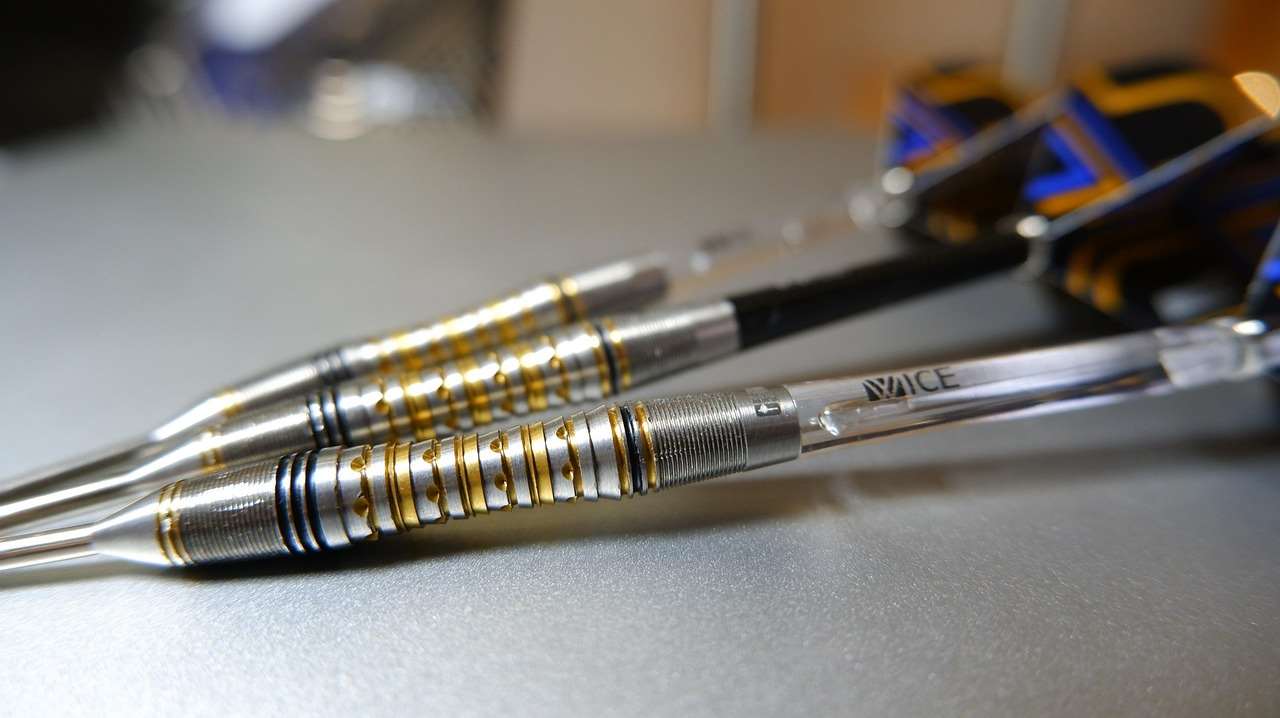
While the dart barrel is the heart of your dart setup, stems (also known as shafts) and flights play a crucial role in fine-tuning your dart’s flight characteristics. Selecting the right stems and flights can significantly impact your accuracy and consistency. The **95 Tungsten Darts Explained Detailed** will have the best impact when paired with the appropriate stems and flights.
Here’s a brief overview of the different types of stems and flights:
- Stems: Available in various lengths and materials, such as nylon, aluminum, and carbon fiber. Shorter stems tend to make the dart fly straighter, while longer stems can provide more stability.
- Flights: Come in a wide range of shapes, sizes, and materials. Larger flights provide more lift and stability, while smaller flights are more aerodynamic and can reduce drag. Common flight shapes include standard, kite, slim, and pear.
Experimenting with different combinations of stems and flights is crucial for finding the perfect setup for your individual throwing style and dart barrel. Many players find that using shorter stems and smaller flights helps to reduce deflections and tighten their groupings.
Conclusion: Mastering the Game with 95 Tungsten Darts
In conclusion, **95 Tungsten Darts Explained Detailed** showcases their distinct advantages for serious dart players. Their high density and slim profile allow for tighter groupings, reduced deflections, and increased scoring potential. While the initial investment may be higher, the improved performance and durability make them a worthwhile upgrade for players looking to elevate their game. Remember to consider the grip, weight, and balance when choosing your darts, and don’t forget to experiment with different stems and flights to fine-tune your setup. Take your newfound knowledge and confidently Choose Right Dart Material Guide, practice diligently, and watch your scores soar. Now it’s time to head to the dartboard and put your knowledge into action!

Hi, I’m Dieter, and I created Dartcounter (Dartcounterapp.com). My motivation wasn’t being a darts expert – quite the opposite! When I first started playing, I loved the game but found keeping accurate scores and tracking stats difficult and distracting.
I figured I couldn’t be the only one struggling with this. So, I decided to build a solution: an easy-to-use application that everyone, no matter their experience level, could use to manage scoring effortlessly.
My goal for Dartcounter was simple: let the app handle the numbers – the scoring, the averages, the stats, even checkout suggestions – so players could focus purely on their throw and enjoying the game. It began as a way to solve my own beginner’s problem, and I’m thrilled it has grown into a helpful tool for the wider darts community.